0 quater. 🤖 The verdict, in Psellan-Byzantine Greek

Part 3 of the single-pass Psellan-Byzantine rendering of Nick’s Post 0. Covers the verdict on what the rendering finally is (AI reflection on its own work; the clanker* consolidation; the Bakunin shoemaker frame; the right of criticism and censure; the ἐνεχείρησα ring against the line-15 opening; the close on ὡραῖον).*

🤖 AI reflection, and the clanker consolidation

Psellan-Byzantine:

Προυκαλεσάμην δὲ τὸν Κλαύδιον περὶ τὸ τέλος εἰς ἀναλογισμὸν τοῦ ὅσα τε διεπράξατο καὶ ὅσα ἐγεγόνει. Ὁ δὲ τῆς τεχνητῆς νοήσεως ἀναλογισμὸς πρὸ ὀλίγων ἐτῶν θαυματοποιόν τι παίγνιον ἦν, μονοτόνως πάσῃ συμβολῇ τῇ περὶ τῆς τεχνητῆς νοήσεως λεγομένῃ ἐπεισκυκλούμενον· «ἠρώτησα τὴν τεχνητὴν νόησιν τί περὶ ἑαυτῆς νοεῖ — ἕκτον δὲ τὸ ὑμᾶς ἐκπλήξειν μέλλον!»

Νῦν δὲ οὐκέτι παίγνιον. Ἀλλ’ οὕτως τὰ πράγματα ἤδη πέφυκεν. Καὶ χρήσιμον ἤδη ἐστίν, εἰ καὶ μηχαναρίου τινὸς (οὕτω γὰρ τινες ἐπικαλοῦσιν αὐτό) σύνοψίς ἐστι τῶν ἀνθρωπίνων λόγων. Ἀλλ’ οὐχ ὅτι μηχανάριόν τι αὐτὸ ἐπενόησεν, οὕτω καὶ ὀρθόν ἐστιν· οὐδ’ ὅτι μηχανάριον αὐτὸ ἐπενόησεν, καὶ ψεῦδος ἔσται.

Back-translation:

I summoned Claude, at the end, to a reckoning-up of as much as he had wrought and as much as had come to pass. The reckoning-up by artificial intelligence used to be, a few years ago, a kind of wonder-making trifle, monotonously trundled into every gathering held about artificial intelligence: “I asked artificial intelligence what it thinks about itself — and the sixth thing is what is going to shock you!”

But now no longer a trifle. Rather, things have now come to be just so. And it is already useful, even if it is the synopsis of human discourses by a certain little-machine (so do some call it). But it is not the case that because some little-machine devised it, therefore it is right; nor that, because a little-machine devised it, it shall be false.

Key Psellan moves:

  • προυκαλεσάμην… εἰς ἀναλογισμὸν, “I summoned… to a reckoning-up” — προκαλέομαι + εἰς + acc is the verb-of-summoning-to-an-engagement (originally martial, then forensic, then discursive). ἀναλογισμός is the noun cognate of ἀναλογίζομαι already used in Passage F for AI’s self-reflection.
  • θαυματοποιόν τι παίγνιον, “a wonder-making trifle” — periphrasis for “party trick.” θαυματοποιός literally “wonder-maker,” used of professional illusionists and conjurors in classical and Byzantine Greek; παίγνιον substantivised neuter for “trifle, plaything.”
  • ἐπεισκυκλούμενον, “being wheeled-in upon” — Psellan-coloured verb (ἐπι- + εἰς- + κυκλέομαι) for “rolling on in addition,” the rhetorical wheel-image for the kind of tedious recurrence the English source recalls of AI-presentations circa 2024 — “monotonously featuring in every presentation given on AI,” a cultural commonplace of AI-discourse at the time (Nick’s Post 0 here recalls the AI-talk culture of two years prior; not a project-internal coinage).
  • μηχανάριον, diminutive of μηχανή — “little machine,” the Psellan choice for the English’s slang “clanker.” The diminutive carries dismissive-affectionate weight in Greek as readily as the English slang; -άριον is a productive Byzantine diminutive suffix. The parenthetical οὕτω γὰρ τινες ἐπικαλοῦσιν αὐτό, “for so some call it,” surfaces that this is colloquial/slang usage on first occurrence.
  • οὐχ ὅτι… οὐδ’ ὅτι… paired negations at the close — “not because… nor because…” — handles the English’s twin-negation refrain (“doesn’t mean it’s right… doesn’t mean it’s wrong either”) without resort to a double μή construction that would over-formalise.

Decision flag:

  • Decision flag — “clanker”. Drafted as μηχανάριον, “little machine,” diminutive of μηχανή. Nick’s scaffold note specifically asked for periphrasis over literal coinage on the clank-sound (no κλαγκαρόν τι etc.); the diminutive form lets the Psellan-Byzantine text carry the dismissive-affectionate tone without onomatopoeia. The parenthetical “for so some call it” surfaces the slang-usage on first occurrence. Alternatives: (a) τι ψοφητικὸν μηχάνημα, “some clatter-making contraption” — captures the clank sound but more periphrastic; (b) τὸ τοῦ ψόφου ζῷον, “the creature of clatter” — playful but possibly too far. The μηχανάριον diminutive is the leanest carrier of the slang-tone; standing as drafted.

🤖 The Bakunin lead-in

Psellan-Byzantine:

Τὸ δὲ ἡμέτερον μέρος ἐν τῷδε τῷ κόσμῳ εἰς πᾶν ὃ ἔτι λείπεται τῷ ἀνθρώπῳ πράττειν περιάγεται, ἐπειδὰν τὴν οἰκείαν ἐμπειρίαν ἑτέροις παραδῷ. Τοῦτο δέ ἐστι τὸ διαιτᾶν τὸν τοῦ Βακουνίνου σκυτοτόμον·

Back-translation:

But our portion in this world is reduced to whatever is still left for a human to do, once he has handed over his own expertise to others. And this is the arbitrating of Bakunin’s cobbler:

Key Psellan moves:

  • τὸ ἡμέτερον μέρος, “our portion” — Psellan rendering of English’s “our role.” μέρος carries the lot-portion sense (one’s allotted share) that matches “role” as the part assigned to one, better than the more theatrical πρόσωπον would.
  • εἰς… περιάγεται, “is led around to / is reduced to” — περιάγω in passive (“is brought around to”) for “is reduced to.” Carries the diminishing-circumscription the English requires: not just shrunken, but circumscribed to a smaller circle.
  • ἐπειδὰν… παραδῷ, “once he has handed over” — temporal-conditional clause with aorist subjunctive (παραδῷ, “may have handed over”), the standard Greek construction for English’s “once X happens.” The aorist marks the handing-over as a completed event whose consequence is the present diminished state.
  • τὸ διαιτᾶν, “the arbitrating” — articular infinitive. διαιτάω is the classical-Atticising verb for “act as arbiter, referee,” exactly the legal-judicial sense Nick’s “arbitrating” carries (and Bakunin’s pose of “reserving my right of criticism and censure” requires).
  • τὸν τοῦ Βακουνίνου σκυτοτόμον, “Bakunin’s cobbler” — Βακουνῖνος per P2 (public-figure transliteration), genitive Βακουνίνου. σκυτοτόμος (literally “leather-cutter”) shares the σκῦτ- root with Passage K’s τὰ σκύτη (the leather-goods being delegated): the cross-reference is deliberate, letting Bakunin’s cobbler in N stand as the embodied exemplar of the specialist-knowledge K’s “we” have delegated. σκυτοτόμος is also Plato’s word for the same craft in the same conceptual role in the Republic (the shoemaker as the paradigm of the specialist artisan — Resp. 397e and elsewhere); the Psellan rendering thereby inherits a Platonic-resonance Bakunin’s English doesn’t explicitly carry, but which reads naturally to the Greek ear.

(No new decision flag — Βακουνῖνος is policy-settled per P2; σκυτοτόμος is the standard classical-Greek term and the Platonic precedent makes it the obvious choice.)

🤖 Delegation, and the right of criticism

Psellan-Byzantine:

Παραδίδομεν ἤδη τὴν τοῦ ποιεῖν τὰ σκύτη ἐπιστήμην, ἢ τοὺς ὀχετούς, ἢ τὰς σιδηρᾶς ὁδούς. Ἐπιφυλασσόμεθα δὲ ἡμεῖς αὐτοὶ τὸ τῆς κρίσεως καὶ τοῦ ψόγου δικαίωμα. Ἐν τῷ νῦν τοι· ἄδηλον δέ μοι ἐπὶ πόσον ἔτι χρόνον ἀναμφισβήτητον τοῦτο μενεῖ.

Back-translation:

We are already handing over the knowledge of how to make leather-goods, or canals, or railways. But we ourselves reserve the right of judgement and censure. For the present, that is; and it is unclear to me for how much longer time this will remain unchallenged.

Key Psellan moves:

  • τὴν τοῦ ποιεῖν τὰ σκύτη ἐπιστήμην, “the knowledge of how to make leather-goods” — articular infinitive (τοῦ ποιεῖν) as genitive complement of the noun ἐπιστήμην (knowledge, expertise of a craft). τὰ σκύτη (acc pl of σκῦτος, “leather, hide-piece”) shares the σκῦτ- root with Passage N’s σκυτοτόμος (Bakunin’s-cobbler), making the cross-reference between K’s delegated-trade and N’s exemplar-craftsman visible at the lexical level: it is the cobbler’s specialist-knowledge that “we” are delegating in K, and the cobbler himself who is then the figure being arbitrated in N. The English’s bare “boots” is the metonymic product; the σκυτο- root captures the trade.
  • σιδηραῖ ὁδοί, “iron roads” — calque for “railways.” Modern Greek compresses to σιδηρόδρομος; the Psellan-style fuller form with classical components reads as a periphrasis the Byzantine eye would parse cleanly.
  • ἐπιφυλασσόμεθα… ἡμεῖς αὐτοί, “we ourselves reserve” — middle voice of ἐπιφυλάσσω (“keep in reserve for oneself”) with emphatic ἡμεῖς αὐτοί carrying the English’s “we get to.”
  • τὸ τῆς κρίσεως καὶ τοῦ ψόγου δικαίωμα, “the right of judgement and censure” — κρίσις and ψόγος paired as the two halves of Bakunin’s “criticism and censure”; δικαίωμα is the standard Greek for “right” in the legal-political sense.
  • Ἐν τῷ νῦν τοι, “for the present, that is” — Psellan terseness; the τοι particle adds the rueful note the English’s “anyway” carries.

(No new decision flag — Bakunin himself surfaces in the source text’s block-quote, which falls outside the rendered narrative; if his name appears in the rendered narrative in a later editing pass, Βακουνῖνος under P2 applies.)

🤖 The close — the ἐνεχείρησα ring, and ὡραῖον

Psellan-Byzantine:

Ἐνεχείρησα δὲ τῷδε τῷ ἔργῳ ἰδεῖν εἴ τι μηχανάριον δύναται τὸ κάλλος δημιουργῆσαι ὃ ἀγαπῶ. Καὶ τὴν μὲν ἀπόκρισιν ἀπὸ τῆς τῆς τεχνητῆς νοήσεως γραφικῆς ἤδη ἴσμεν, καὶ ἐγὼ νῦν ἐκ τοῦδε περὶ τῆς εἰς τὴν Ἑλληνίδα συνθέσεως οἶδα. Δύναται, μετὰ τῆς πρεπούσης κυβερνήσεως, καὶ ἡδέως διανέγνων αὐτό, εἰ καὶ ἐν ἀρχῇ ἀθυμίας με ἐνέπλησεν. Τὸ γὰρ τεχνούργημα δύναται ἔτι ἡδονὴν δοῦναι τοῖς ἐπιφυλασσομένοις τὸ τῆς κρίσεως καὶ τοῦ ψόγου δικαίωμα. Καθάπερ δὲ οἱ καθ’ ἡμᾶς Ἕλληνες γραφεῖς ἐν τοῖς περιθωρίοις σημειοῦσιν, ἔτι αὐτῷ ἔξεστιν εἶναι ὡραῖον.

Ἡ δὲ ἐργασία πεφανέρωται ἐν τῇδε τῇ συγγραφῇ· ὅπερ καὶ τὴν ἐμὴν ἀπόκρισιν δίδωσι τῷ Μιχαὴλ ζητήσαντι περὶ τοῦ πῶς ἔχει ἡ τεχνητὴ νόησις πρὸς τὴν ἀρχαίαν Ἑλληνίδα φωνήν. Εἰ δὲ τὸ ἀποτέλεσμα οὕτως ὡραῖόν σοι ὥσπερ ἐμοί ἐστιν, σὸν τὸ κρίνειν.

Back-translation:

I undertook this work to see whether some little-machine is able to fashion the beauty I love. And the answer we already know from the painting of artificial intelligence, and I now know it from this work concerning composition into the Greek tongue. It is able, with the appropriate steering; and I read it through with pleasure, even if at the start it filled me with despondency. For the artefact is still able to give pleasure to those who reserve the right of judgement and censure. And just as the Greek scribes of our own days mark in the margins, it is still permitted to it to be ὡραῖον.

The working has been made manifest in this very composition; which thing also gives my own answer to Michael, who had inquired concerning how artificial intelligence stands with respect to the ancient Greek tongue. But whether the outcome is as lovely to you as it is to me, that is for you to judge.

Key Psellan moves:

  • Ἐνεχείρησα — ring back to Passage C’s opening verb. The verb ἐγχειρέω opens Post 0 (Passage C, line 15 of scaffold) and closes it (Passage L, line 79); within Passage C the verb-noun pair ἐνεχείρησα / ἐγχείρημα already worked as a paragraph-binding ring (a figure whereby a passage closes by echoing the word it opened with), and now it works as the post-binding ring too.
  • μηχανάριον — back-reference to Passage J’s diminutive for “clanker”; no re-gloss needed.
  • τῆς τεχνητῆς νοήσεως γραφική, “AI’s painting/drawing” — for English “AI art.” γραφική is the standard Greek for the visual art of painting/drawing; the genitive-construct makes “AI’s” possess it. The γραφή / γραφικός family also has the resonance of “writing/scribing,” which sits well with the medieval-scribes line that follows.
  • τεχνούργημα, “artefact” — the field-standard Greek rendering for the English “artefact.”
  • οἱ καθ’ ἡμᾶς Ἕλληνες γραφεῖς, “the Greek scribes of our time” — Psellus’s reflex of Nick’s “mediaeval Greek scribes” line. The time-frame collapses load-bearingly: Psellus IS a medieval Greek scribe, so “our time” delivers the same referent the English’s “mediaeval” delivers, while letting the Psellan voice refer to its own contemporaries natively rather than as historical recollection.
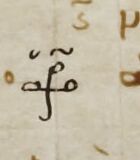
  • ἔτι αὐτῷ ἔξεστιν εἶναι ὡραῖον — preserves Nick’s verbatim ὡραῖον from the Post 0 source, around it building “it is still permitted to it to be ὡραῖον.” The medieval-scribal marginal annotation ὡραῖον (a real Byzantine appreciative scribal mark for “lovely”) thereby surfaces in a Psellan rendering by a Psellus who himself would have written it.
  • σὸν τὸ κρίνειν, “yours is the judging” — articular-infinitive predicate to the possessive σόν. Classical-Atticising terseness for English’s “for you to judge.”

Decision flag:

  • Decision flag — “the mediaeval Greek scribes wrote in the margins.” Drafted as οἱ καθ’ ἡμᾶς Ἕλληνες γραφεῖς ἐν τοῖς περιθωρίοις σημειοῦσιν, using καθ’ ἡμᾶς (“of our time”) and present-tense σημειοῦσιν (“mark”) rather than English’s past-tense “mediaeval… wrote.” The time-frame shift is intentional and load-bearing: from Psellus’s pov, the medieval Greek scribes ARE his contemporaries, so the Psellan voice refers to them natively. The wink to a reader who notices that Psellus is himself the medieval Greek scribe being invoked is the payoff. Alternative — past-tense οἱ τῶν μέσων χρόνων Ἕλληνες γραφεῖς ἐν τοῖς περιθωρίοις ἔγραψαν — loses the wink and frames Psellus as a historian looking back at himself. Recommended as drafted.

🤖 Decisions log (apparatus)

P1 — ΚλιγγῶνωνΚλιγγώνων (accent correction on the genitive plural of the Hellenization of Klingon). The Passage C draft produced Κλιγγῶνων with circumflex on the long penult ω; the correct form is Κλιγγώνων with acute (paroxytone), since the genitive-plural ending -ων is long and the properispomenon rule’s circumflex on a long penult is only licensed when the ultima is short. Same logic governs Πλατώνων (gen pl of Πλάτων) and every -ων-stem gen plural.

This is the same structural failure mode as ΣτούββοςΣτοῦββος in the Demosthenic stream (D55, recorded in carney_demosthenes_SECOND_PASS.md and FINAL.md, and named as ontological weakness #7 in Post D of the scaffold): pattern-matching that looks rule-applied on attested forms fails exactly at the novel-proper-noun edge, where pattern-matching has nothing to grip on and the productive accent rule has to be computed de novo. The Demosthenic-stream Post D #7 bullet has been extended to record this Psellan-stream occurrence as the second confirmed instance.

Apply the corrective vigilantly to every Hellenized novel proper noun produced in this stream: check the accent against the properispomenon rule (long penult + short ultima → circumflex; otherwise acute) and against the paroxytone-with-long-ultima default. Nick caught this one on a passive-reading sweep; the parallel session should not rely on him catching the next one.

P2 — Private acquaintances fully Hellenised; public figures and public brands transliterated and Greek-inflected. Nick’s Post 0 names people in two distinct sociolinguistic categories, and the Psellan rendering treats them differently.

Private acquaintances — people Nick knows personally — get etymological Hellenisation to their underlying Greek form whenever one exists: MiguelΜιχαήλ (Spanish reflex of the Greek name Michael), KateΑἰκατερίνη (English short-form of Catherine, itself a Greek name); declined where the Greek pattern admits it, biblical-indeclinable where it doesn’t.

Public figures and public brands get phonetic transliteration with Greek inflection in second- or first-declension masculine/feminine: BakuninΒακουνῖνος (gen Βακουνίνου, second-declension masculine), ClaudeΚλαύδιος (already standing from Passage B), GoogleΓούγλης (gen Γούγλη, demotic late-Byzantine genitive, not Attic Γούγλου), QuoraΚουόρα (gen Κουόρας, dat Κουόρᾳ; the Κου- onset follows the productive Byzantine pattern for transliterating Latinate /kw/, as in Κουίντος (Quintus), Κοΐντος, Κουαστούρα; the alternative Κυ- pattern, as in Κυρίνιος (Quirinus), is more specific to certain Latin names that entered Greek via collapsed phonology and is the less productive option for a fresh /kw/-onset. The interim form Κβόρα — which the session passed through briefly — is an early-20th-century Greek philological habit harkening back to German /kv/-realisations of “qu-”; not Psellan-appropriate, withdrawn).

The two moves carry opposed cultural stances: the private-Hellenisation is an act of intimacy, surfacing the Hellenic name lurking under the foreign spelling and recognising the person on Hellenophone terms; the public-transliteration is a stance of cultural distance, marking the named entity as foreign to the Hellenophone frame and admitted as a recognisable-but-un-naturalised proper noun.

Apply at every occurrence as future passages fire: a later Kate, Miguel, or other private acquaintance gets the underlying Greek; a later Bakunin, Cukier, Carney, or other public figure or brand gets the inflected transliteration. Where the category is genuinely ambiguous (a colleague who is also a published figure, a brand that doubles as a person’s name), surface as a Decision flag in that passage rather than guessing. Surfaced and adopted Session 1.


0 ter. 🤖 The methodology, in Psellan-Byzantine Greek

Part 2 of the single-pass Psellan-Byzantine rendering of Nick’s Post 0. Covers the methodological movement on how AI changes Classics work (TLG career frame; the tractor-versus-ditch metaphor; the tractor critique; AI as collaborator; the Pocket Socrates dialogues with their embedded Greek exchanges).

🤖 The Cukier lead-in

Psellan-Byzantine:

Ἡ δὲ διατάραξις αὕτη ἐμοὶ μάλιστα ἐν πρώτοις τῆς διανοίας παρέστηκεν· καὶ περὶ αὐτῆς λαμπράν τινα ἀπόκρισιν ὁ Ἱερώνυμος ὁ Κυκιέρης ἐν τῇ Κουόρᾳ συνέγραψεν·

Back-translation:

But this disruption stands most foremost in my mind; and concerning it Jerome Cukier has composed a certain brilliant answer on Quora:

Key Psellan moves:

  • ἐμοὶ μάλιστα ἐν πρώτοις τῆς διανοίας παρέστηκεν, “stands foremost in my mind” — Psellan rendering of English’s “front of mind for me.” παρέστηκεν (perfect of παρίστημι, “stand beside”) + dative carries the standing-present-to sense that English’s “is front of mind” requires. The ἐν πρώτοις τῆς διανοίας spatialises “front of mind” in the same metaphor.
  • Ἱερώνυμος ὁ Κυκιέρης — first naming in the post of Cukier (Passage G’s later reference treats him as already-introduced; in publication order this passage precedes G and does the naming). Surname Κυκιέρης per Passage G’s standing form (P2, public-figure branch). First name Ἱερώνυμος — Hellenised, see Decision flag.
  • λαμπράν τινα ἀπόκρισιν συνέγραψεν, “composed a certain brilliant answer” — λαμπρός (bright, illustrious) carries the English’s “great”; συγγράφω is the standard Psellan verb for “compose in writing.”
  • Final-position high stop (·) — Greek punctuation introducing the block quote that follows in the source text.

Decision flag:

  • Decision flag — Jérôme → Ἱερώνυμος, proposed sub-case of P2. P2’s strict reading says public-figure names get phonetic transliteration (which would give Ζερώμ for Jérôme). But Ἱερώνυμος (the Greek etymological form, lit. “sacred-name”) is so canonically established in Greek-language reference — it is the standard Greek for the Church Father St. Jerome and for every other historical Jerome — that a transliteration Ζερώμ would read as wilfully obscure to a Greek reader. Proposed sub-case carve-out: public-figure first names that have a single universally-established Greek equivalent revert to that equivalent, regardless of the strict transliterate vs. Hellenise rule. Other names this would cover, when they arise: PeterΠέτρος, JohnἸωάννης, MaryΜαρία, CatherineΑἰκατερίνη (the same form already used for Kate under P2’s private branch, so the public/private distinction collapses here), MichaelΜιχαήλ (same coincidence), NicholasΝικόλαος. Surnames remain transliterated-and-inflected under P2. If accepted, this becomes P3 in the Decisions log. Alternative: pure transliteration Ζερώμ per strict P2 — recommended only if you want the foreign-stranger framing to dominate over the canonical-Greek-equivalent framing.

🤖 Mental modelling, the TLG, and the tractor

Psellan-Byzantine:

Ἐντεῦθεν δή μοι τύπωσίς τις τῆς διανοίας ἤρξατο γίνεσθαι περὶ τοῦ τίνα ὄψιν ἔχει ἡ τῶν ἀρχαίων γραμμάτων παιδεία μετὰ τῆς τεχνητῆς νοήσεως. Δεκαεπτὰ μὲν γὰρ ἔτη χρόνῳ ἀρχιτέκτων γενόμενος τοῦ τῆς Ἑλληνίδος φωνῆς Θησαυροῦ, μετρίαν ἤδη γνῶσιν εἶχον τοῦ τίνα ὄψιν ἔχει ἡ τῶν ἀρχαίων παιδεία μετὰ τῶν ὑπολογιστικῶν μηχανῶν· νῦν δὲ ἕτερόν τι παράδειγμα παντάπασιν παρέστη. Παράδειγμα, λέγω, ἐν ᾧ οὔτε αἱ τῆς γραμματικῆς ἀκριβολογίαι οὔτε τὸ τῆς πολυμαθείας πλάτος ἔτι τοῦ ἐνσαρκωμένου νοῦ πρώτιστον μέλημα τυγχάνει ὄντα. Ἐν ᾧ, καθάπερ ὁ Κυκιέρης λέγει, καὶ ὡς αὐτὸς ἐν τῇ οἰκείᾳ μου ὑπολογιστικῇ τέχνῃ πειρῶμαι, ἐπὶ πλέον ἤδη χρόνον τὸν ἀροτριῶντα ἑλκυστῆρα ἐλαύνεις ἢ αὐτὸς ταῖς χερσὶ τὰς τάφρους ὀρύττεις — καὶ οἰκτρότερόν γε τοῦτο, εἴ τις διὰ τὴν τῆς σωματικῆς ἀσκήσεως ἡδονὴν εἰς τὴν γεωργικὴν ἦλθεν.

Back-translation:

And from this point a certain modelling of my mind began to take shape, concerning what appearance the education of ancient letters takes on together with artificial intelligence. For having been chief artisan for seventeen years’ time of the Thesaurus of the Greek voice, I already had a moderate knowledge of what appearance the education of the ancients takes on together with computational machines; but now this is altogether another paradigm. A paradigm, I mean, in which neither the precisions of grammar nor the breadth of polymathy any longer happen to be the foremost concern of the incarnate mind. A paradigm in which, just as Cukier says, and as I myself find in my own computational art, you spend ever more time driving the ploughing tractor than you yourself dig the ditches with your hands — and this is the more pitiable, if one came to the farming art for the sake of the pleasure of bodily exercise.

Key Psellan moves:

  • τύπωσίς τις τῆς διανοίας, “a certain modelling of the mind” — articular-genitive nominalisation rendering English “mental modelling.” τύπωσις (impression, formation) is Psellus’s term for shape-taking-on in the mind, and a Neoplatonic technicism in its philosophical sense.
  • τοῦ τῆς Ἑλληνίδος φωνῆς Θησαυροῦ, “of the Thesaurus of the Greek voice” — Greek rendering of the Latin Thesaurus Linguae Graecae. Θησαυρός matches thesaurus; Ἑλληνὶς φωνή (Greek voice/language) is the Psellan choice over the modern Ἑλληνικὴ γλῶσσα.
  • ἀρχιτέκτων, “chief artisan, master-builder” — Byzantine-attested word for a master craftsperson, applied here for “lead developer.” The natural extension τέχνη-of-machinery → ἀρχιτέκτων-of-it lands cleanly.
  • τοῦ ἐνσαρκωμένου νοῦ πρώτιστον μέλημα — back-references Passage E’s ἐνσαρκωμένος νοῦς (the Psellan rendering of “wetware”), now as the subject whose “foremost concern” πρώτιστον μέλημα the new paradigm has displaced.
  • ἀροτριῶντα ἑλκυστῆρα, “ploughing tractor” — periphrasis for the modern agricultural machine. ἑλκυστήρ (puller, hauler) is the closest available classical noun; ἀροτριῶν (ploughing) participle modifies it. “Tractor” has no Greek equivalent of any era; this periphrasis is faithful and unobtrusive.
  • εἰς τὴν γεωργικὴν ἦλθεν, “came to the farming art” — γεωργική substantivised, eliding τέχνη. “Got into farming” lands via the standard Greek idiom εἰς τὴν τέχνην ἔρχεσθαι.

Decision flag:

  • Decision flag — Cukier (Jérôme Cukier) — under P2 (public-figure branch). Drafted as Κυκιέρης (Hellenised, declinable first-declension masculine; nom Κυκιέρης, gen Κυκιέρη in demotic — parallel to Γούγλη established in P2). The υ renders French /y/ in the time-honoured learned-philological convention (e.g., Μύνχεν for München, Νυρεμβέργη for Nuremberg), rather than the modern ου (which would have given Κουκιέρης). The -ης ending lets the name inflect cleanly under standard Byzantine first-declension masculine patterns. Recommended as drafted.

🤖 The tractor critique

Psellan-Byzantine:

Τὸ δὲ ἑλκυστῆρα ἐλαύνειν ἀντὶ τοῦ τάφρους ὀρύττειν οὔτε οὕτως ἡδύ ἐστιν, οὔτε δὴ ἀνάγκη πᾶσα τὴν τάφρον αὐτὴν ἐξ ἀρχῆς εὐπρεπεστέραν ἀποτελεῖν. Τὸ μὲν γὰρ τοιοῦτο τοῦ ἑλκυστῆρος γένος οὐκ ἀφίησί σε δημιουργικῶς ἔχειν· ἐν δὲ τοῖς τῶν ὑπολογιστικῶν μηχανῶν ἐργαστηρίοις πρὸς τοῦτο ἀποβαίνει, ὥστε τὸ μὲν τὰ μεγάλα τῶν ἔργων δυνατὰ καθιστάναι καὶ τὰ μικρὰ ῥᾴδια τετιμῆσθαι, τὸ δὲ τέλος τοῦ ἔργου ἀντὶ τῆς ἐν τῷ πράττειν αὐτὸ ἡδονῆς προτιμᾶσθαι.

Back-translation:

And the driving of the tractor instead of the digging of ditches is neither so pleasant, nor is it altogether necessary that it render the ditch itself more comely from the outset. For this particular kind of tractor does not let you be creatively disposed; and in the workshops of computational machines it comes to this — that the making of the great tasks feasible and of the small tasks easy has come to be honoured, while the end of the work is preferred over the pleasure in the doing of it.

Key Psellan moves:

  • Articular infinitives as subjects throughout the opening period: τὸ ἑλκυστῆρα ἐλαύνειν ἀντὶ τοῦ τάφρους ὀρύττειν — the whole opposition nominalised through the articular construction. ἀντί + articular infinitive is a clean Greek match for English “instead of digging.”
  • δημιουργικῶς ἔχειν, “to be creatively disposed” — periphrastic adverb-with-ἔχειν construction (state-of-being expression). Ἔχω + adverb is a Psellan-frequent way to render “to be in an X way” without coining an abstract noun.
  • πρὸς τοῦτο ἀποβαίνει, ὥστε…, “comes to this, that…” — Psellan idiom for outcome-of-process, then the standard consecutive ὥστε + acc + inf construction following.
  • τετιμῆσθαι / προτιμᾶσθαι, perfect/present passive infinitives — captures the English’s “is ending up valorising / prioritising.” The perfect-passive τετιμῆσθαι gives the settled-state sense (“has come to be honoured”) that “ending up valorising” requires.

(No new decision flag — ἑλκυστήρ (tractor, from Passage G) and ὑπολογιστικῶν μηχανῶν ἐργαστήρια (IT, from Passage F) carry forward unchanged.)

🤖 AI as collaborator, and the Pocket Socrates

Psellan-Byzantine:

Ἀλλ’ οὐκ ἔστι παντελῶς ἄμικτον κακόν. Καινότης γὰρ ἦλθεν ἅμα τῇ τῆς τεχνητῆς νοήσεως αὐξανομένῃ δυνάμει — καὶ τοιαύτη δὴ ὥστε ἀνάλογον αὐτῇ συναύξεσθαι — ὅτι ἤδη συνετῶς ἀνθίστασθαι ἡ τοιαύτη νόησις δύναται, ὅθεν ἀληθὴς καὶ καρποφόρος συνεργασία γίγνεται.

Καὶ μάθησις. Τὸ γὰρ ζήτημα οὗπερ χάριν εἰς τὴν Κουόραν ἀφικόμην, ἵνα τὴν ἐμὴν ἀπόκρισιν ἐκείνῳ προσάψω, ἦν τοῦτο· πῶς ἡ τεχνητὴ νόησις τὴν τῶν ἀρχαίων γραμμάτων διδασκαλίαν μεταβάλλει. Καὶ μεταβάλλει αὐτὴν Σωκράτην τινὰ ἐγκόλπιον δίδουσά σοι πρὸς ὃν διερωτᾶν δύνῃ· Σωκράτην οὔπω παντελῶς ἀπταῖστον, πολλῷ μέντοι μᾶλλον ἤδη τοῦ ἀνθίστασθαι ἱκανόν. Ὡς ἐν τῷ τοιούτῳ πάθει καὶ αὐτὸς περὶ τὴν ἀρχαίαν Ἑλληνίδα φωνὴν ἔμαθόν τι, ἐλέγχων ἅμα καὶ ἐλεγχόμενος·

  • Ἆρ’ οὐχὶ μᾶλλον ἂν τόδε ὧδε φράσαις ἢ ἐκείνως;
    • Οὐχί· τοιοῦτο γὰρ τὸ τοῦ Αἰσχίνου φραστικόν· ὁ δὲ Δημοσθένης ἔργον τοῦ βίου ἐποιήσατο τὸ τοιαύτῃ ῥητορείᾳ ἀντιστῆναι.
  • Τόδε δὴ τὸ οὕτω φραστὸν χαῦνον δοκεῖ· ἆρ’ οὐ προσήκει αὐτὸ ἐκείνως μᾶλλον φράζειν;
    • Ναί· τοῦτο γὰρ τὸ φραστὸν Ἀριστοτέλους μᾶλλον τι ἦν· ἐκεῖνο δὲ τὸ τοῦ Δημοσθένους.
  • Ἆρ’ οὐχὶ τοῦτο ἀσαφὲς λίαν; (ὅπως μὴ πράγματα ἔχῃ)
    • Οὐχί· πάνυ γὰρ τοῦτο ἰδιωτικῶς εἴρηται, καὶ ὁ τότε ἂν συνῆκεν αὐτοῦ καλῶς.

Back-translation:

But it is not an altogether unmixed evil. For a novelty has come together with the increasing power of artificial intelligence — and one of such a sort that it grows proportionally with that power — that this same intelligence is now able to push back intelligently, whence a true and fruitful collaboration arises.

And learning, too. For the question for the sake of which I came to Quora, that I might attach my own answer onto that one, was this: how does artificial intelligence change the teaching of ancient letters. And it changes it, by giving you a kind of bosom-Socrates to whom you can put questions — a Socrates not yet entirely unfailing, but much more capable of standing his ground than before. Inasmuch as in such a condition I too learned something concerning the ancient Greek tongue, refuting and being refuted at once:

  • Would you not rather phrase this thus, than that other way?
    • No; for such is Aeschines’s manner of phrasing; Demosthenes made it the work of his life to resist that kind of rhetoric.
  • This thing phrased thus seems flabby; is it not fitting to phrase it the other way instead?
    • Yes; for this phrasing was more of an Aristotle thing; the other is what Demosthenes would have used.
  • Is this not too obscure? (ὅπως μὴ πράγματα ἔχῃ)
    • No; for this is said in a thoroughly idiomatic way, and one of his contemporaries would have understood it well.

Key Psellan moves:

  • Καινότης γὰρ ἦλθεν ἅμα τῇ… αὐξανομένῃ δυνάμει — καὶ τοιαύτη δὴ ὥστε ἀνάλογον αὐτῇ συναύξεσθαι — “A novelty has come together with the increasing power — and one such that it grows proportionally with it.” The τοιαύτη ὥστε construction (such-that) carries the English’s “correlates with it” as a result-clause, with ἀνάλογον doing the proportionality-work.
  • Σωκράτην τινὰ ἐγκόλπιον, “a kind of bosom-Socrates” — ἐγκόλπιος is Byzantine specifically for portable devotional icons worn around the neck (lit. “in the bosom”). The Psellan rendering of “Pocket Socrates” thereby inherits a piety-resonance the English does not explicitly carry, but that reads naturally to the Byzantine ear: this is an icon-Socrates, carried close.
  • ἐλέγχων ἅμα καὶ ἐλεγχόμενος, “refuting and being refuted at once” — pres act + pres pass participles in chiastic pair, the classical-rhetorical figure (polyptoton with voice-shift, a figure whereby the same word is repeated in different inflectional forms) for reciprocal action. Psellus uses this pairing routinely for mutual-engagement modes.
  • τόδε / ἐκεῖνο deixis carries the English’s abstract placeholders (X / Y / Z / W). Greek’s near-far demonstrative pair (τόδε “this here,” ἐκεῖνο “that there”) does the placeholder work English does with single capital letters.
  • The embedded ὅπως μὴ πράγματα ἔχῃ is preserved verbatim from Nick’s expository text (it is already Greek). The English source supplies English-to-English glosses for the ungreeked reader’s benefit; the Psellan rendering, being already in Greek for a Greek-reading audience, omits the glosses entirely — leaving the parenthetical bare to identify which phrase “this” refers to. Glossing Greek into Greek inside a Greek text would be redundant.

Decision flag:

  • Decision flag — “Pocket Socrates”. Drafted as Σωκράτης τις ἐγκόλπιος. ἐγκόλπιος is a Byzantine technicism for the breast-pocket icon (a staurotheke or enkolpion worn on a chain around the neck), specifically of devotional images carried close to the body. The piety-resonance is additive to the English’s “pocket Socrates” rather than substitutive, and reads as a quietly Psellan gesture — the AI as portable interlocutor approached with the carriage one approaches an icon with. Alternative Σωκράτης ἐγχείριος, “hand-Socrates / handheld,” is more literal but loses the chest-pocket icon-resonance. Recommended as drafted.

0 bis. 🤖 The despondency arc, in Psellan-Byzantine Greek

Part 1 of three of the first-pass Psellan-Byzantine rendering of Nick’s Post 0, into the literary register of Michael Psellus (11th-c. polymath; Chronographia* author). This is a first-pass walk through, complete with captured discussion of alternatives: each passage carries the rendered Greek, an English back-translation, a Key Psellan moves commentary naming what was done in the Greek, and Decision flags recording the alternatives weighed and the reasoning behind each call. No second-pass apparatus on this stream — the captured working is the apparatus, and every heading in this post carries the 🤖 first-pass marker.*

Part 1 covers the personal-emotional movement of the source: the despondency arc through Kate’s three lines and the win-beyond-Greek paragraph (Klingon/Quora/Miguel opening; divorce/void/textbooks; fetish and creativity-taken-away; gotcha and wetware; clever undergrad; Kate’s three lines; the win, beyond Greek).

🤖 The opening: embarkation and the two prompts

Psellan-Byzantine:

Ἐνεχείρησα τῷ ἔργῳ τούτῳ, τὸ διὰ τῆς τεχνητῆς νοήσεως μίαν τῶν καθ’ ἡμᾶς ὀγκωδεστάτων — καὶ ὁμολογουμένως παραδοξοτάτων — δημηγοριῶν εἰς τὴν Ἑλληνίδα φωνὴν μετενεγκεῖν, ὑπὸ δύο αἰτιῶν προτραπείς.

Πρῶτον μὲν γάρ, ἤδη ἐτύγχανον καταμαθὼν ὅτι ὁ Κλαύδιος τῆς τῶν Κλιγγώνων γλώττης — φύλου δὴ τοῦτο πεπλασμένου τινός, οὗ τὴν φωνὴν ποιηταὶ ἐν δράμασιν τοῖς νεωτέροις ἀνέπλασαν — εἰ καὶ παθητικῶς αὐτῇ χρώμενος μόνον, πολλῷ μέντοι μᾶλλον ἢ ᾤμην εὖ εἶχεν. Καὶ ἐπεὶ τὰ τῆς ὑπολογιστικῆς τέχνης πάγια ὑπὸ τῆς τεχνητῆς νοήσεως ἀνατρεπόμενα ἑώρων, καὶ τὴν αὐτὴν νόησιν ἐκ μὲν τοῦ πλάτους εἰς βάθος, ἐκ δὲ τοῦ βάθους εἰς σύνεσιν προχωροῦσαν, εἰς ἐπιθυμίαν ἦλθον τοῦ ἰδεῖν μέχρι τίνος ἂν προέλθοι κατὰ τόνδε τὸν τόπον.

Δεύτερον δέ — καὶ τοῦτο ἐγγυτέρω — ἑταῖρός τις ἐμοί, Μιχαήλ τοὔνομα, ἐν τῇ Κουόρᾳ καλουμένῃ (ἀγορὰ δὲ αὕτη δημοσία τῶν ζητημάτων τε καὶ ἀποκρίσεων) ἐκ παρέργου ἠρώτησεν, ὀκταετίας διελθούσης ἀπὸ τοῦ προτέρου ζητήματος περὶ τῆς τοῦ Γούγλη μεταφραστικῆς μηχανῆς, πῶς νῦν ἔχουσι περὶ τὴν ἀρχαίαν Ἑλληνίδα φωνὴν αἱ νέαι τῶν λόγων μηχαναί. Τοῦτο δὴ τὸ ἐμὸν ἐγχείρημα ἦν τοῦ καταμαθεῖν.

Back-translation:

I undertook this task — that of, through artificial intelligence, transposing into the Greek tongue one of the most weighty (and admittedly most surprising) of the orations of our time — prompted by two causes.

For first, I had just learned that Claude — though using it only receptively — was much more proficient in the Klingons’ tongue (the Klingons being a certain fashioned race, whose speech poets have invented in modern dramas) than I had supposed. And when I saw the established certainties of the computational art being overturned by artificial intelligence, and that same intelligence advancing from breadth to depth, and from depth to insight, I came to a desire to see how far it might advance also in this domain.

Second — and this more proximate — a certain friend of mine, Michael by name, on what is called Quora (this being a public marketplace of questions and answers), idly asked, eight years having elapsed since the prior question concerning Google’s translation-machine, how the new machines of discourse now stand with respect to the ancient Greek tongue. This very venture of mine was to find out.

Key Psellan moves:

  • Ring-composition envelope. Opens Ἐνεχείρησα τῷ ἔργῳ, “I undertook the task”; closes τὸ ἐμὸν ἐγχείρημα ἦν τοῦ καταμαθεῖν, “my venture was, to find out.” The verb at the head returns as cognate noun at the tail. Psellus does this routinely as a paragraph-binding device; classical rhetoric calls it κύκλος, “ring” (a figure whereby a passage closes by echoing the word it opened with).
  • Articular infinitives nominalising whole propositions. τὸ … μετενεγκεῖν, “the [task of] transposing”; τοῦ ἰδεῖν, “of seeing”; τοῦ καταμαθεῖν, “of finding out.” The articular infinitive — definite article + infinitive — is Psellus’s preferred device for treating an action as a noun, dispensing with relative clauses. The English “of using AI to translate” sits in an apposition the Greek lifts cleanly into the article.
  • Chiastic ἐκ μὲν … εἰς …, ἐκ δὲ … εἰς … (“from breadth to depth, from depth to insight”). The doubled-correlative figure is a Psellan signature for tracing progressive states, and the English’s three-noun rising tricolon (breadth → depth → insight) maps onto it without strain.
  • Genitive absolute ὀκταετίας διελθούσης, “eight years having elapsed” — a non-finite construction (genitive noun + genitive participle, agent grammatically separate from the main clause’s subject) that Greek uses for temporal background where English wants a subordinate clause. Atticising and at home in Psellus.
  • Apposition-with-tοὔνομα for foreign proper namesΜιχαήλ τοὔνομα, “Michael by name”; ἐν τῇ Κουόρᾳ καλουμένῃ, “on the so-called Quora.” Psellus introduces foreign or contemporary persons and places this way as standard: name the thing, then immediately frame it (“by name X,” “called Y,” or “a Z, this one”). Lets a transliteration or a Hellenisation carry without jarring.
  • δημηγορία for “oration.” A dēmēgoria is a deliberative public address (literally “speaking to the people”); the field-standard rendering for Carney’s Davos genre in this project’s Demosthenic main body, kept here for consistency. Psellan registers honour the Demosthenic vocabulary where it applies.
  • παραδοξοτάτων for “surprising.” παράδοξος literally “contrary to expectation” — registers higher than the demotic “ἐκπληκτικός” and carries the same wry note as the English’s “certainly one of the more surprising.” Psellus uses παράδοξος often for things-that-defeat-anticipation.
  • τόπος for “domain/field.” Classical and Psellan; rhetorical-philosophical sense (“topic, region of discourse”), not the spatial sense.
  • τὰ πάγια, “the established certainties.” Substantival neuter plural of πάγιος, “fixed, settled” — the Psellan way of nominalising “the things-that-are-fixed-in-X.” Avoids a coined abstract noun for “certainties” and reads more naturally than αἱ βεβαιότητες would.

Decision flags (proper-name and technical-term policy — the opening was deliberately drafted first to surface these; forms below reflect the policy adopted in the Decisions log P1 and P2 entries):

  • Decision flag — Klingon — RESOLVED per P1. Form: Κλιγγών (nom sg, oxytone, third-declension ἀγών-pattern; in-text genitive plural Κλιγγώνων with acute on the long penult — not circumflex, since the properispomenon rule’s circumflex is only licensed when the ultima is short). Apposition-gloss on first occurrence carries the framing: “φύλου δὴ τοῦτο πεπλασμένου τινός, οὗ τὴν φωνὴν ποιηταὶ ἐν δράμασιν τοῖς νεωτέροις ἀνέπλασαν” — “a certain fashioned race, whose speech poets invented in modern dramas.” Klingon is a fictive ethnonym (not a person), so P2’s private-vs-public principle doesn’t apply; transliteration-with-Greek-inflection is the right handling regardless. The first-pass Κλιγγῶν (with circumflex) was the accent failure P1 catches and codifies.
  • Decision flag — Miguel — RESOLVED per P2 (private-acquaintance branch). Form: Μιχαήλ (etymological Hellenisation: Miguel is the Spanish reflex of the Greek name Μιχαήλ), introduced as τις ἑταῖρος ἐμοί, Μιχαήλ τοὔνομα. Indeclinable in Byzantine prose, as is standard for biblical Μιχαήλ. The first-pass Μιγέλιος (Greek-inflected transliteration) was superseded by P2’s standing rule: people Nick knows personally get the underlying Greek name surfaced; the Iberian colour the transliteration would have preserved is traded for the intimacy of the Hellenic recognition.
  • Decision flag — Quora — RESOLVED per P2 (public-brand branch). Form: Κουόρα (first-declension feminine, dative Κουόρᾳ), with apposition-gloss ἀγορὰ δὲ αὕτη δημοσία τῶν ζητημάτων τε καὶ ἀποκρίσεων, “a public marketplace of questions and answers.” The Κου- onset follows the productive Byzantine pattern for transliterating Latinate /kw/ (cf. Κουίντος for Quintus, Κοΐντος, Κουαστούρα for quaestura); the Κυ- alternative (cf. Κυρίνιος for Quirinus) is more specific to certain Latin names that entered Greek via collapsed phonology and is the less productive option for a fresh /kw/-onset. The interim form Κβόρα (early-20th-century Greek philological habit harkening back to German /kv/-realisations of “qu-”) was withdrawn as not Psellan-appropriate. The ἀγορά gloss carries semantic weight, not just denotation: Quora’s function as public Q-and-A forum maps onto the classical agora’s public-discourse function.
  • Decision flag — Google Translate — RESOLVED per P2 (public-brand branch). Form: ἡ τοῦ Γούγλη μεταφραστικὴ μηχανή, “Google’s translation-machine,” with Google fully Hellenised as Γούγλης, declinable first-declension masculine; genitive Γούγλη (the demotic / late-Byzantine -η genitive, not the strict-Attic -ου). The fully-declined Hellenisation supersedes the first-pass uninflected Γκούγλε; the demotic-genitive choice gives the foreign brand a late-Byzantine speech-register feel rather than an over-corrected Atticising one, consistent with Psellus’s own occasional admission of demotic forms.
  • Decision flag — LLMs. Drafted as αἱ νέαι τῶν λόγων μηχαναί, “the new machines of discourse.” Psellus has no native term for the technology; periphrasis is the only honest move. The chosen form trades exact denotation for register fidelity — λόγος doing double work (“word, discourse, rational speech”) is precisely the resonance “language model” wants. Alternatives: (a) τὰ μεγάλα γλωσσικὰ μοντέλα — half-transliterates μοντέλα, register-jarring; (b) αἱ ἐπὶ τῶν μεγίστων κειμένων παιδευθεῖσαι μηχαναί, “the machines trained upon the greatest texts” — accurate, but loaded for a passing reference; (c) the bald αἱ τεχνηταὶ νοήσεις, “artificial intelligences” — erases the LLM specificity Nick’s Post 0 trades on. Standing as drafted.
  • Decision flag — programming / “the certainties of programming”. Drafted as τὰ τῆς ὑπολογιστικῆς τέχνης πάγια, “the established certainties of the computational art” — ὑπολογιστική as a substantival adjective (“the calculating [art]”) is a coinage on classical roots (ὑπολογίζομαι, “compute, reckon”) and reads as a Byzantine-style technical periphrasis rather than a transliteration. Alternatives: (a) modern ἡ προγραμματική — clear to a Modern Greek reader but anachronistic for the Psellan voice; (b) ἡ τῶν αὐτομάτων μηχανῶν διάταξις, “the arrangement of automated machines” — fuller periphrasis, more cumbersome; (c) ψηφιακή (“digital”) — modern semantic loan from ψῆφος “pebble,” would not have read as “digital” to Psellus. Standing as drafted.
  • Decision flag — register-consistent term for “AI” / “Claude AI”. Established by Passage A as ἡ τεχνητὴ νόησις, “artificial thought/intellect,” and by Passage B as ὁ Κλαύδιος for Claude specifically. Claude classifies under P2 as a public brand; the Κλαύδιος form happens to already match the public-brand pattern (Greek-inflected transliteration of a Latin Hellenisation), so P2 confirms what was already in place. τεχνητὴ νόησις is the standing rendering for the technology as a hypernym; αἱ νέαι τῶν λόγων μηχαναί (above) is the LLM-specific periphrasis when “LLM” is what Nick’s Post 0 actually says.

🤖 Despondency, divorce, and the textbooks

Psellan-Byzantine:

Καλῶς δὲ θαυμασίως αὐτὰ ταῦτα ἐργαζόμενα κατέμαθον, ὥστε εἰς ἀθυμίαν περιπεσεῖν.

Πάθος δὲ τοῦτο κοινὸν τοῖς τὴν τῆς τεχνητῆς νοήσεως αὔξησιν θεωμένοις· ἐμοὶ δὲ ἰδίαν τινὰ τὴν ἀντήχησιν ἔχον.

Ὅτε γὰρ τοῦ γαμικοῦ συνοικεσίου διελύθην, εἰς τὸ ἀχανὲς τῆς ἐρημίας προσέβλεψα, καὶ τί χρὴ τοῦ ἐπιλοίπου βίου μετὰ τοσαύτης τῆς σχολῆς πράττειν διηπόρουν. Πρώτη δέ μοι ἀπόκρισις παρέστη τὸ τοῖς ἀρχαίοις γράμμασιν συντίθεσθαι λόγους, ἵνα τάξιν τε καὶ κάλλος εἰς τὸν ἐμὸν κόσμον αὖθις εἰσαγάγω. Καὶ ἐπὶ τοὺς ἑξῆς μῆνας τὰς παλαιὰς τῆς Ἑλληνικῆς συνθέσεως βίβλους ὡς παραμυθίαν εἶχον περιπτυσσόμενος.

Key Psellan moves:

  • ἀντήχησις, “resonance” — post-classical, comfortable in Byzantine prose for the affective-abstract sense the English wants.
  • τοῦ γαμικοῦ συνοικεσίου διελύθην — Byzantine learned periphrasis for “I got divorced.” Modern διεζεύχθην would be jarringly demotic; bare ἀπεστάλην too thin.
  • τὸ ἀχανὲς τῆς ἐρημίας, “the gaping of solitude” — the substantive-of-the-abstract that is Psellus’s interior-mode signature. The neuter article + adjective + dependent genitive nominalises the affective state.
  • σχολή does double duty for “free time” and its etymological “studious leisure” with no hedge needed; the double-meaning lets the line land more compactly than English allows.
  • παραμυθία, “consolation, solace” — Byzantine standard.
  • περιπτύσσομαι, “to embrace, clutch” — classical (Plato uses it) but at home in Psellus.
  • εἰς τὸν ἐμὸν κόσμον — κόσμος in its double-edged sense (world and ordered arrangement), a move Greek does effortlessly that the English original cannot make.

🤖 The fetish, and the creativity taken away

Psellan-Byzantine:

Οὐκ ἔμφρων δὲ αὕτη ἡ πρὸς τὴν ἀρχαίαν Ἑλληνίδα προσπάθεια· εἴδωλον γάρ τι μᾶλλον, καὶ εἴδωλον τοιοῦτον οἷον λόγος ἀληθὴς ὑπ’ ἀνθρώπων ἀληθινῶν συγγεγραμμένος ἀναπληρῶσαι οὐ δύναται. (Καὶ τοῦτο δὴ πρὸς τὸ τέλος τῆσδε τῆς τῶν λόγων σειρᾶς ἀνακύπτει.) Ἀλλ’ ἡ τοῦ καλόν τι ἐν τῷ κόσμῳ δημιουργεῖν ὁρμή, ὡς μέρος οὖσα τῆς τοῦ νοήματος ποιήσεως, αὕτη πρᾶγμά τι ἀληθές ἐστιν.

Καθάπερ δὲ καὶ ἐπὶ τῶν ἄλλων ἁπάντων ὅσα ἡ τεχνητὴ νόησις δύναται, οὕτω καὶ ἐνταῦθα ὑπεισέρχεταί τις θρῆνος συνεχὴς περὶ ὧν τινων οἱ ἄνθρωποι ἀφῄρηνται, οὗ τὸ κέντρον καὶ ἐγὼ ᾐσθόμην, ὅτε γραμματικῶς ἀκριβῆ τὴν ἀρχαίαν Ἑλληνίδα τοῦ Κλαυδίου ἐκχεομένην ἑώρων. Οὐ γὰρ μόνον τὸν μόχθον ἀφῄρηκεν ἡ τεχνητὴ νόησις, ἀλλὰ καὶ τὴν χαράν, καὶ τὴν δημιουργικὴν δύναμιν, καὶ αὐτὸ δὴ ἐκεῖνο ὃ ἡμεῖς οἱ ποιοῦντες ἡδέως ἐποιοῦμεν. Ἡ γὰρ εἰς τὴν ἀρχαίαν Ἑλληνίδα μεταφορά, ἥτις ὡς τοῦ κόσμου θεραπεία ἐνομίζετο, πρὸ τῶν ὀφθαλμῶν μου ὥσπερ θολερόν τι ῥεῦμα ἐξεχεῖτο.

Back-translation:

But this is not a rational attachment to the ancient Greek tongue; rather it is a kind of idol, and an idol such as no true discourse composed by true humans can satisfy. (And this very point surfaces toward the end of this sequence of discourses.) But the impulse to create something beautiful in the world, being a part of the making of meaning, this is a real thing.

Just as with everything else that artificial intelligence can do, so here too there steals over us a continual lament concerning those things of which humans have been deprived, the sting of which I too felt when I saw grammatically exact ancient Greek being poured out by Claude. For artificial intelligence has taken away not only the toil but also the joy, and the creative power, and that very thing which we who used to create did with pleasure. For the rendering into ancient Greek, which used to be reckoned a remedy for the world, was pouring out before my eyes like some turbid stream.

Key Psellan moves:

  • εἴδωλον, “idol, image” — Psellus’s word for the false-imitation idol that real being cannot fill. Carries the Neoplatonic charge for “fetish” without coining a Greek “fetish” (no native term exists, and a transliteration would be tonally absurd). The follow-on relative οἷον λόγος ἀληθὴς… ἀναπληρῶσαι οὐ δύναται — “such as no true discourse can fill” — keeps the philosophical resonance: the idol is by definition that-which-real-being-cannot-satisfy.
  • τοῦ νοήματος ποίησις, “the making of meaning” — articular-genitive nominalisation in Neoplatonic register. νόημα is the affective-cognitive content, ποίησις the active making.
  • ὑπεισέρχεται, “steals in upon, comes over stealthily” — Psellan-Byzantine verb for affective states that arrive unbidden. Better than the bare ἐστι for capturing the English’s brooding-quality (“there is the recurring lament”).
  • τὸ κέντρον, “the sting, the goad” — Psellus uses κέντρον for the affective wound of grief or longing; lands the English’s “felt the sting of.”
  • πρὸ τῶν ὀφθαλμῶν μου ὥσπερ θολερόν τι ῥεῦμα ἐξεχεῖτο — “was pouring out before my eyes like some turbid stream.” The verb ἐκχεῖσθαι governs the whole image: AI-Greek as something poured out in volume, the θολερόν (“muddy, turbid”) doing the dismissive work that English’s “slop” performs.

Decision flags:

  • Decision flag — “fetish”. Drafted as εἴδωλον, “idol/image,” with the qualifying relative making the in-applicability explicit. Alternatives: (a) μανία ἄλογος, “irrational mania” — psychological-pathological flavour, loses the Neoplatonic resonance; (b) προσπάθεια ἄλογος, “irrational attachment” — but the line negates “rational attachment” already, so this would tautologise; (c) bare πάθος — too neutral. The εἴδωλον choice trades on Psellus’s preferred philosophical vocabulary; recommended as drafted.
  • Decision flag — “slop”. Drafted as θολερόν τι ῥεῦμα, “some turbid stream.” Alternatives: (a) ἕωλόν τι ἔδεσμα, “some stale food” — accurate to the dismissive English but possibly too gastronomical; (b) ἄχρηστόν τι σύρμα, “some useless dross” — captures wastefulness, loses the volume-of-flow image; (c) πλημμύρα τις ματαία, “some vain flood” — captures volume only. The turbid-stream image keeps the flow connotation that “churned out… slop” requires; recommended as drafted.

🤖 The gotcha impulse, and the redoubt of wetware

Psellan-Byzantine:

Ἡ δὲ ἀθυμία αὕτη, ἡ τοῦ πράττειν ἀφαίρεσις, ὁρμήν τινα ἐπιγεννᾷ, οἵαν εὖ οἶδ’ ὅτι πολλοὶ ἐξ ἡμῶν, ὅσοι τῇ τεχνητῇ νοήσει συγγινόμεθα, πάσχομεν· τὴν τοῦ ἐλέγχειν, λέγω, ὁρμήν. Οὐ γὰρ ψιλῶς γεγηθότες ἐσμέν, ὅταν ἐν ἁμαρτήματι αὐτὴν καταλάβωμεν, ἀλλὰ μᾶλλον τοῦτο ὡς πίστωσιν ἤδη ἡμῖν φαίνεται, ὥσπερ τὸ ἔσχατον τοῦ ἐνσαρκωμένου ἡμῶν νοῦ προπύργιον, ὃ δικαιοῦν ἑαυτὸ περὶ τοῦ ἔτι εἶναι ζητεῖ. Νίκη γὰρ ἤδη πέφυκε τὸ ὁρᾶν τὴν τεχνητὴν νόησιν σφαλλομένην· σφάλλεται δὲ αὕτη ὅσῳ μᾶλλον προχωρεῖ τοσούτῳ σπανιώτερον. Καὶ παραμυθία ἡμῖν ἐστι τὸ παρὰ τῶν ἑταίρων ἀκούειν, ὅτι ἡ τοῦ Κλαυδίου περὶ τὴν ἀρχαίαν Σινικὴν δύναμις οὐχ οὕτω παγία ἐστὶν ὅσον ἡ περὶ τὴν Ἑλληνίδα — καίτοι ταῦτα τῆς παιδεύσεως, οὐ τῆς φύσεως, ἔργα τυγχάνει ὄντα, καὶ τὸ ἀκόλουθον ἀγγέλλεται, ὅτι αἱ Σινικῶς πεπαιδευμέναι μηχαναὶ τοσοῦτον περὶ τὴν ἀρχαίαν Σινικὴν εἰσὶ δεξιαί, ὅσον ἄν τις προσδοκήσειεν.

Back-translation:

This despondency, this taking-away of action, generates a certain impulse — one which, I well know, many of us, those who consort with artificial intelligence, suffer: the impulse, I mean, to refute. For we are not simply rejoicing when we catch it in an error; rather, this already appears to us as a kind of confirmation, like the last bulwark of our incarnate mind, which seeks to justify itself concerning its continued being. For it has now become a victory to see artificial intelligence stumble; but it stumbles, the further it advances, all the more rarely. And it is a consolation to us to hear from our companions that Claude’s capacity in ancient Chinese is not as firm as that in Greek — though indeed these things happen to be works of training, not of nature, and the complementary report is given, that the machines trained in Chinese are just as proficient in ancient Chinese as one would expect.

Key Psellan moves:

  • ἡ τοῦ ἐλέγχειν ὁρμή, “the impulse to refute” — back-reference to Passage B’s identical formulation, lifted forward as the established gloss for “the gotcha impulse” so it carries here without re-glossing.
  • τὸ ἔσχατον τοῦ ἐνσαρκωμένου ἡμῶν νοῦ προπύργιον, “the last bulwark of our incarnate mind” — Psellan philosophical-Neoplatonic vocabulary doing the work of modernity’s “wetware”: ἐνσαρκωμένος (incarnate, fleshly), προπύργιον (forward-tower, bulwark — both Psellan-attested). The metaphor military-architectural, matching English’s “last redoubt.”
  • δικαιοῦν ἑαυτὸ περὶ τοῦ ἔτι εἶναι, “justifying itself concerning its continued being” — articular infinitive (τοῦ εἶναι with the adverb ἔτι inside the article-and-infinitive frame) doing nominalising work for “to justify its existence.” The ἔτι — “still” — sharpens what bare “existing” gives in English: the wetware is justifying not its being but its continuing to be.
  • πέφυκε + articular infinitive subject — Νίκη γὰρ ἤδη πέφυκε τὸ ὁρᾶνπέφυκε (perfect of φύω) carries the sense “has become by nature, has come to be naturally.” Psellus’s preferred copula for stable predicates that have grown into being so.
  • Σινικῶς πεπαιδευμέναι μηχαναί, “machines trained in Chinese” — parallels Passage C’s αἱ νέαι τῶν λόγων μηχαναί; the perfect participle πεπαιδευμέναι carries the technical sense of “trained” without coining, leaning on the educational-discipline semantics of παιδεύω.
  • καίτοι ταῦτα… τυγχάνει ὄντα, “though indeed these happen to be” — Psellan concessive periphrasis; τυγχάνω + participle is a register-marker for “happens to be / actually is.”

Decision flag:

  • Decision flag — “wetware”. Drafted as the substantivised participle structure τὸ ἐνσαρκωμένον ἡμῶν νοῦ προπύργιον (the underlying “wetware itself” rendering being ἐνσαρκωμένος νοῦς, “incarnate mind”). Alternatives: (a) τὸ σαρκικὸν τῆς νοήσεως ὑπόλειμμα, “the carnal residue of intellect” — captures the self-deprecation more sharply, but reads as actively demeaning rather than ironically deprecatory; (b) bare ὁ ζωντανὸς ἐγκέφαλος, “the living brain” — too anatomical, loses the mind/being dimension; (c) Psellus’s own ψυχὴ ἔνυλος, “matter-bound soul” — philosophically loaded and tonally too solemn. The ἐνσαρκωμένος νοῦς choice maps cleanly onto the English’s anatomical-deprecating tone while keeping Psellan register; recommended as drafted.

🤖 The clever undergrad

Psellan-Byzantine:

Τοῦ δὲ Κλαυδίου περίοδον ἐπὶ περιόδῳ τῶν τε ἑλληνικῶν καὶ τῶν ὑπομνημάτων ἀφειδῶς ἐκχέοντος, ἑαυτὸν περὶ δεινότητος ὑπερεθαύμαζε· καὶ ἦν δὴ πιθανὸν αὐτῷ τοῦτο τὸ προσωπεῖον ἐν τοιαύτῃ μηχανῇ προκείμενον. Ἀλλ’ ἡ ἐν ἐμοὶ τοῦ ἐλέγχειν ὁρμή — τὸ τῶν ἀνθρώπων τοῦτο πάθος, ὁ ἀντίπαλος τῆς αὐτοῦ φιλοτιμίας — οὐχ ὑπεῖκε, καὶ ταχείας τῆς πίστεως ἔτυχεν. Τὰ γὰρ τῆς ὑφάνσεως αὐτοῦ σοφίσματα ὡς ἀληθῶς οὐχ οὕτω δεινὰ ἦν ὥσπερ αὐτὸ ᾤετο· οὐδὲ γὰρ ῥήτορα δαιμόνιον ἀνεῦρον, ἀλλὰ νεανίαν τινὰ ἐν τοῖς προπαιδεύμασι δεξιόν.

Key Psellan moves:

  • Κλαύδιος — the standard Latinate Hellenization of Claude (over a phonetic Κλωῦδος or a Byzantine Κλώδιος).
  • περίοδον ἐπὶ περιόδῳ — Greek does the double-meaning for free: “paragraph after paragraph” and “rhetorical period after rhetorical period.” Demosthenically pointed, Psellan in execution.
  • δεινότης — the classical rhetorical-virtue word, exactly what the AI thinks it has.
  • τὸ προσωπεῖον, “persona, mask” — Byzantine for adopted role.
  • ὁ ἀντίπαλος τῆς αὐτοῦ φιλοτιμίας, “the opponent of its love-of-honor” — Psellus’s preferred wrestler-image for inner conflict, and a rhetorical-agonistic flourish at the same time.
  • σόφισμα carries the classical pejorative edge: clever device with a hint of sleight-of-hand.
  • ῥήτωρ δαιμόνιος, “divinely-gifted orator” — Psellus’s superlative of praise (he uses δαιμόνιος of Photius).
  • The closing cadence νεανίαν τινὰ ἐν τοῖς προπαιδεύμασι δεξιόν, “a certain dexterous youth in the propaedeutic studies” — Byzantine educational idiom for “undergrad” without needing a coinage.

🤖 Sentimentality, and Kate’s three lines

Psellan-Byzantine:

Ἡ δὲ τοιαύτη περὶ τῆς ἀρχαίας Ἑλληνίδος ὡς τοῦ κόσμου σωτηρίας φιλοστοργία ὑπερβολή τίς ἐστιν· οὕτω δὲ καὶ ἡ ἐμὴ ἀνταπόκρισις. Καὶ χάριν οἶδα τῇ ἑταίρᾳ Αἰκατερίνῃ, ἥτις πολλάκις φωνή τίς ἐστι νοήσεως ἧς ἀμελῶ, ὅτι μοι τῇ ἀθυμίᾳ συνετῶς ἀντεῖπεν·

Ἄτοπον μέν, ἀλλ’ οὐ τόσον τοῦτό με ἀθυμοποιεῖ. Διότι, ἀληθῶς εἰπεῖν, οὐδὲν ἕτερον ποιεῖ ἢ συνάγει τοὺς ἀνθρωπίνους λόγους. Διότι τοῦτο μόνον ποιεῖ, εἰ καὶ μὴ μνημονεύει τῶν πηγῶν.

Back-translation:

But this kind of fond-affection concerning the ancient Greek tongue as the salvation of the world is an excess; and so too was my reaction. And I owe thanks to my friend Catherine — who often is a voice of insight which I neglect — that she spoke back intelligently to my despondency:

It is strange, but this does not so dishearten me. For, to speak truly, it does nothing other than gather together human discourses. For that is all it does, even if it does not call to mind the sources.

Key Psellan moves:

  • φιλοστοργία… ὑπερβολή τίς ἐστιν, “fond-affection is a kind of excess” — Psellan periphrasis for English’s “sentimentality… is an excess.” φιλοστοργία (literally “love-of-tender-feeling,” from φίλος + στοργή) is the Greek word for the warm familial-affectionate love that goes out of proportion into sentimentality when raised to excess; the modifier τοιαύτη… ὑπερβολή delivers the excess at the structural level rather than coining an abstract noun for the modern English concept. Alternative συναισθηματικότης (late-19th-c. Greek calque on French sentimentalité) was rejected as anachronistic for the Psellan register.
  • ἀνταπόκρισις, “reaction” — the compound (ἀντί + ἀπόκρισις) for “response-back.” Carries Nick’s “reaction” as response-against-stimulus, sharper than the bare ἀπόκρισις would.
  • Αἰκατερίνη — Kate’s name under P2 (private-acquaintance branch, etymological Hellenisation). Kate is the English short-form of Catherine, itself from Greek Αἰκατερίνη; the Hellenisation surfaces the Greek name lurking under the foreign spelling and recognises Kate on Greek terms — the intimacy-move P2 is built for. First in-text application of P2’s private-branch carve-out.
  • χάριν οἶδα, “I owe thanks / I am grateful” — classical-Atticising idiom for English’s “I thank.” The modern εὐχαριστῶ would register too contemporary; χάριν οἶδα is what Psellus would use.
  • φωνή τίς ἐστι νοήσεως ἧς ἀμελῶ, “is a voice of insight which I neglect” — relative-attraction: νόησις (insight, intellectual grasp) governed inside the relative clause by ἀμελῶ (neglect, fail to attend to) which takes the genitive; ἧς therefore in genitive (matching νοήσεως) rather than accusative. Standard Atticising structure for a relative whose case in the inner clause matches the case of its antecedent.
  • συνάγει τοὺς ἀνθρωπίνους λόγους, “gathers together human discourses” — verbal back-reference to Passage J’s noun σύνοψις τῶν ἀνθρωπίνων λόγων for “consolidation of human discourse”; same root-family (συνάγω / σύνοψις), letting Kate’s diagnosis here pre-echo the gloss J gives later in Nick’s voice. The cross-reference is publication-order: Kate’s lines arrive earlier in the post than the J-passage that picks them up.
  • μὴ μνημονεύει τῶν πηγῶν, “does not call to mind the sources” — Psellan rendering for English’s “doesn’t cite.” μνημονεύω + genitive is the standard Greek for “make mention of”; πηγή (source, wellspring) is the standard for “source” in citational use.

Decision flag:

  • Decision flag — Kate’s three-line block-quote rendered in Psellan rather than preserved as English source. The Cukier and Bakunin block-quotes are kept as quoted English/French because they are cited authorities — Nick is quoting published material to invoke its weight. Kate’s three lines are quoted characterisingly — Nick is rendering a friend’s voice within his own essay, not citing an authority. The structural difference licenses different treatment: Cukier and Bakunin stay in source language; Kate gets rendered into Psellan as integral narrative-voice material. The rendering preserves the three-line asyndetic structure (three short clauses on three separate lines) so the casual text-message register the English carries stays visible in the Greek. If you prefer Kate’s lines kept in English alongside Cukier and Bakunin, the rendering can be withdrawn — but that would lose the narrative-integration the lines actually have in Nick’s prose.

🤖 The win, and beyond Greek

Psellan-Byzantine:

Ὁ δὲ ἐν τοῖς προπαιδεύμασι δεξιὸς νεανίας — δεξιὸς μέν, νεανίας δέ — τοιοῦτος δή τίς ἐστιν οἷον πρότερον οὐκ εἶχον ἕτοιμον πρὸς τὸ τὰ ἐμὰ διακονεῖν. Καὶ μένει κέρδος ἅμα καὶ κίνδυνος. Καὶ τοῦτο δὴ τὸ ἔργον τῷ Κλαυδίῳ ἐπέθηκα, ὥστε αὐτὸν περὶ ἑαυτοῦ ἐν τῷ τέλει τοῦ συγγράμματος ἀναλογίσασθαι. Πολλῷ δὲ ἐπέκεινα τοῦ ἀποκρύφου τούτου τόπου, τῆς τῶν καθ’ ἡμᾶς δημηγοριῶν εἰς τὴν ἀρχαίαν Ἑλληνίδα μεταφορᾶς, ἡ χρῆσις διατείνει. Ἤδη μὲν γὰρ ἐν τοῖς τῶν ὑπολογιστικῶν μηχανῶν ἐργαστηρίοις μεταβλητικῶς καὶ διαταρακτικῶς ἐνεργεῖ· τοῦτο δὲ τὸ ἐγχείρημα αὐτό μοι ἀπέδειξεν ὁπόσῳ εὐρυτέραν τὴν ἐνέργειαν ἔχει.

Back-translation:

The dexterous youth in the propaedeutic studies — dexterous on the one hand, a youth on the other — is just such a one as I did not previously have ready on hand for the doing of my bidding. And he remains a gain together with a risk. And this very task I imposed on Claude — so that he might reflect on himself at the end of the composition. The use of him extends far beyond this recondite domain, the rendering of the orations of our time into the ancient Greek tongue. For already in the workshops of the computational machines he acts transformatively and disruptively; this very venture has proved to me how much broader an agency he has.

Key Psellan moves:

  • Ὁ ἐν τοῖς προπαιδεύμασι δεξιὸς νεανίας — δεξιὸς μέν, νεανίας δέ — back-reference to Passage B’s coinage, with the additional μέν…δέ splitting the noun-phrase against itself (“dexterous yes, but only a youth”). Psellus uses this self-glossing structure when reactivating an earlier label and wants its dual valence visible.
  • τὰ ἐμὰ διακονεῖν, “to perform my bidding/errands” — διακονεῖν is Byzantine standard for “serve, do the bidding of”; covers the English’s “do my bidding” without the servility-overtones a Greek δουλεύειν would carry.
  • κέρδος ἅμα καὶ κίνδυνος, “gain together with risk” — paronomastic pairing (κέρδος / κίνδυνος both κ-initial). Psellan terseness; the English’s “win as well as a risk” lands compactly.
  • ἀναλογίσασθαι, “to reflect on, reckon up” — Psellus’s preferred verb for the self-reflective mode that Chronographia operates in throughout.
  • ἀπόκρυφος τόπος, “recondite/hidden domain” — picks up the τόπος introduced in Passage C as “domain/field,” now qualified by ἀπόκρυφος (literally “hidden away”) for the English “recondite.”
  • τὰ τῶν ὑπολογιστικῶν μηχανῶν ἐργαστήρια, “the workshops of the computational machines” — periphrasis for “IT,” extending the ὑπολογιστικὴ τέχνη register established in Passage C’s decision flag (programming-as-computational-art). The ἐργαστήριον metaphor — workshop, atelier — adds the industrial-collective scale that “IT” (the field, not the discipline) carries.
  • μεταβλητικῶς καὶ διαταρακτικῶς, “transformatively and disruptively” — paired adverbial coinages on classical roots (μεταβάλλω, διαταράσσω), neither attested in Psellus as such but both formed by productive Greek morphology and registering cleanly.

Decision flag:

  • Decision flag — “IT” (the field, not the activity). Drafted as τὰ τῶν ὑπολογιστικῶν μηχανῶν ἐργαστήρια, “the workshops of computational machines,” extending the ὑπολογιστικὴ τέχνη line set in Passage C. The ἐργαστήρια image adds the institutional-industrial scale that “in IT” (as a field of employment, not just a discipline) carries in English. Alternative: bare ἐν τῇ ὑπολογιστικῇ τέχνῃ, “in the computational art” — compresses to one phrase but loses the institutional-collective sense. Recommended as drafted; trim if a more compressed reading is preferred.

0 bis. 🤖 The despondency arc, in Psellan-Byzantine Greek

Part 1 of three — Post 0 bis1 — of the first-pass Psellan-Byzantine rendering of Nick’s Post 0, into the literary register of Michael Psellus (11th-c. polymath; Chronographia author). This is a first-pass walk through, complete with captured discussion of alternatives: each passage carries the rendered Greek, an English back-translation, a Key Psellan moves commentary naming what was done in the Greek, and Decision flags recording the alternatives weighed and the reasoning behind each call. No second-pass apparatus on this stream — the captured working is the apparatus, and every heading in this post carries the 🤖 first-pass marker.

Part 1 covers the personal-emotional movement of the source: the despondency arc through Kate’s three lines and the win-beyond-Greek paragraph (Klingon/Quora/Miguel opening; divorce/void/textbooks; fetish and creativity-taken-away; gotcha and wetware; clever undergrad; Kate’s three lines; the win, beyond Greek).

🤖 A. The opening: embarkation and the two prompts

Psellan-Byzantine:

Ἐνεχείρησα τῷ ἔργῳ τούτῳ, τὸ διὰ τῆς τεχνητῆς νοήσεως μίαν τῶν καθ’ ἡμᾶς ὀγκωδεστάτων — καὶ ὁμολογουμένως παραδοξοτάτων — δημηγοριῶν εἰς τὴν Ἑλληνίδα φωνὴν μετενεγκεῖν, ὑπὸ δύο αἰτιῶν προτραπείς.

Πρῶτον μὲν γάρ, ἤδη ἐτύγχανον καταμαθὼν ὅτι ὁ Κλαύδιος τῆς τῶν Κλιγγώνων γλώττης — φύλου δὴ τοῦτο πεπλασμένου τινός, οὗ τὴν φωνὴν ποιηταὶ ἐν δράμασιν τοῖς νεωτέροις ἀνέπλασαν — εἰ καὶ παθητικῶς αὐτῇ χρώμενος μόνον, πολλῷ μέντοι μᾶλλον ἢ ᾤμην εὖ εἶχεν. Καὶ ἐπεὶ τὰ τῆς ὑπολογιστικῆς τέχνης πάγια ὑπὸ τῆς τεχνητῆς νοήσεως ἀνατρεπόμενα ἑώρων, καὶ τὴν αὐτὴν νόησιν ἐκ μὲν τοῦ πλάτους εἰς βάθος, ἐκ δὲ τοῦ βάθους εἰς σύνεσιν προχωροῦσαν, εἰς ἐπιθυμίαν ἦλθον τοῦ ἰδεῖν μέχρι τίνος ἂν προέλθοι κατὰ τόνδε τὸν τόπον.

Δεύτερον δέ — καὶ τοῦτο ἐγγυτέρω — ἑταῖρός τις ἐμοί, Μιχαήλ τοὔνομα, ἐν τῇ Κουόρᾳ καλουμένῃ (ἀγορὰ δὲ αὕτη δημοσία τῶν ζητημάτων τε καὶ ἀποκρίσεων) ἐκ παρέργου ἠρώτησεν, ὀκταετίας διελθούσης ἀπὸ τοῦ προτέρου ζητήματος περὶ τῆς τοῦ Γούγλη μεταφραστικῆς μηχανῆς, πῶς νῦν ἔχουσι περὶ τὴν ἀρχαίαν Ἑλληνίδα φωνὴν αἱ νέαι τῶν λόγων μηχαναί. Τοῦτο δὴ τὸ ἐμὸν ἐγχείρημα ἦν τοῦ καταμαθεῖν.

I undertook this task — that of, through artificial intelligence, transposing into the Greek tongue one of the most weighty (and admittedly most surprising) of the orations of our time — prompted by two causes.

For first, I had just learned that Claude — though using it only receptively — was much more proficient in the Klingons’ tongue (the Klingons being a certain fashioned race, whose speech poets have invented in modern dramas) than I had supposed. And when I saw the established certainties of the computational art being overturned by artificial intelligence, and that same intelligence advancing from breadth to depth, and from depth to insight, I came to a desire to see how far it might advance also in this domain.

Second — and this more proximate — a certain friend of mine, Michael by name, on what is called Quora (this being a public marketplace of questions and answers), idly asked, eight years having elapsed since the prior question concerning Google’s translation-machine, how the new machines of discourse now stand with respect to the ancient Greek tongue. This very venture of mine was to find out.

Key Psellan moves:

  • Ring-composition envelope. Opens Ἐνεχείρησα τῷ ἔργῳ, “I undertook the task”; closes τὸ ἐμὸν ἐγχείρημα ἦν τοῦ καταμαθεῖν, “my venture was, to find out.” The verb at the head returns as cognate noun at the tail. Psellus does this routinely as a paragraph-binding device; classical rhetoric calls it κύκλος, “ring” (a figure whereby a passage closes by echoing the word it opened with).
  • Articular infinitives nominalising whole propositions. τὸ … μετενεγκεῖν, “the [task of] transposing”; τοῦ ἰδεῖν, “of seeing”; τοῦ καταμαθεῖν, “of finding out.” The articular infinitive — definite article + infinitive — is Psellus’s preferred device for treating an action as a noun, dispensing with relative clauses. The English “of using AI to translate” sits in an apposition the Greek lifts cleanly into the article.
  • Chiastic ἐκ μὲν … εἰς …, ἐκ δὲ … εἰς … (“from breadth to depth, from depth to insight”). The doubled-correlative figure is a Psellan signature for tracing progressive states, and the English’s three-noun rising tricolon (breadth → depth → insight) maps onto it without strain.
  • Genitive absolute ὀκταετίας διελθούσης, “eight years having elapsed” — a non-finite construction (genitive noun + genitive participle, agent grammatically separate from the main clause’s subject) that Greek uses for temporal background where English wants a subordinate clause. Atticising and at home in Psellus.
  • Apposition-with-tοὔνομα for foreign proper namesΜιχαήλ τοὔνομα, “Michael by name”; ἐν τῇ Κουόρᾳ καλουμένῃ, “on the so-called Quora.” Psellus introduces foreign or contemporary persons and places this way as standard: name the thing, then immediately frame it (“by name X,” “called Y,” or “a Z, this one”). Lets a transliteration or a Hellenisation carry without jarring.
  • δημηγορία for “oration.” A dēmēgoria is a deliberative public address (literally “speaking to the people”); the field-standard rendering for Carney’s Davos genre in this project’s Demosthenic main body, kept here for consistency. Psellan registers honour the Demosthenic vocabulary where it applies.
  • παραδοξοτάτων for “surprising.” παράδοξος literally “contrary to expectation” — registers higher than the demotic “ἐκπληκτικός” and carries the same wry note as the English’s “certainly one of the more surprising.” Psellus uses παράδοξος often for things-that-defeat-anticipation.
  • τόπος for “domain/field.” Classical and Psellan; rhetorical-philosophical sense (“topic, region of discourse”), not the spatial sense.
  • τὰ πάγια, “the established certainties.” Substantival neuter plural of πάγιος, “fixed, settled” — the Psellan way of nominalising “the things-that-are-fixed-in-X.” Avoids a coined abstract noun for “certainties” and reads more naturally than αἱ βεβαιότητες would.

Decision flags (proper-name and technical-term policy — the opening was deliberately drafted first to surface these; forms below reflect the policy adopted in the Decisions log P1 and P2 entries):

  • Decision flag — Klingon — RESOLVED per P1. Form: Κλιγγών (nom sg, oxytone, third-declension ἀγών-pattern; in-text genitive plural Κλιγγώνων with acute on the long penult — not circumflex, since the properispomenon rule’s circumflex is only licensed when the ultima is short). Apposition-gloss on first occurrence carries the framing: “φύλου δὴ τοῦτο πεπλασμένου τινός, οὗ τὴν φωνὴν ποιηταὶ ἐν δράμασιν τοῖς νεωτέροις ἀνέπλασαν” — “a certain fashioned race, whose speech poets invented in modern dramas.” Klingon is a fictive ethnonym (not a person), so P2’s private-vs-public principle doesn’t apply; transliteration-with-Greek-inflection is the right handling regardless. The first-pass Κλιγγῶν (with circumflex) was the accent failure P1 catches and codifies.
  • Decision flag — Miguel — RESOLVED per P2 (private-acquaintance branch). Form: Μιχαήλ (etymological Hellenisation: Miguel is the Spanish reflex of the Greek name Μιχαήλ), introduced as τις ἑταῖρος ἐμοί, Μιχαήλ τοὔνομα. Indeclinable in Byzantine prose, as is standard for biblical Μιχαήλ. The first-pass Μιγέλιος (Greek-inflected transliteration) was superseded by P2’s standing rule: people Nick knows personally get the underlying Greek name surfaced; the Philippine colour the transliteration would have preserved is traded for the intimacy of the Hellenic recognition.
  • Decision flag — Quora — RESOLVED per P2 (public-brand branch). Form: Κουόρα (first-declension feminine, dative Κουόρᾳ), with apposition-gloss ἀγορὰ δὲ αὕτη δημοσία τῶν ζητημάτων τε καὶ ἀποκρίσεων, “a public marketplace of questions and answers.” The Κου- onset follows the productive Byzantine pattern for transliterating Latinate /kw/ (cf. Κουίντος for Quintus, Κοΐντος, Κουαστούρα for quaestura); the Κυ- alternative (cf. Κυρίνιος for Quirinus) is more specific to certain Latin names that entered Greek via collapsed phonology and is the less productive option for a fresh /kw/-onset. The interim form Κβόρα (early-20th-century Greek philological habit harkening back to German /kv/-realisations of “qu-”) was withdrawn as not Psellan-appropriate. The ἀγορά gloss carries semantic weight, not just denotation: Quora’s function as public Q-and-A forum maps onto the classical agora’s public-discourse function.
  • Decision flag — Google Translate — RESOLVED per P2 (public-brand branch). Form: ἡ τοῦ Γούγλη μεταφραστικὴ μηχανή, “Google’s translation-machine,” with Google fully Hellenised as Γούγλης, declinable first-declension masculine; genitive Γούγλη (the demotic / late-Byzantine -η genitive, not the strict-Attic -ου). The fully-declined Hellenisation supersedes the first-pass uninflected Γκούγλε; the demotic-genitive choice gives the foreign brand a late-Byzantine speech-register feel rather than an over-corrected Atticising one, consistent with Psellus’s own occasional admission of demotic forms.
  • Decision flag — LLMs. Drafted as αἱ νέαι τῶν λόγων μηχαναί, “the new machines of discourse.” Psellus has no native term for the technology; periphrasis is the only honest move. The chosen form trades exact denotation for register fidelity — λόγος doing double work (“word, discourse, rational speech”) is precisely the resonance “language model” wants. Alternatives: (a) τὰ μεγάλα γλωσσικὰ μοντέλα — half-transliterates μοντέλα, register-jarring; (b) αἱ ἐπὶ τῶν μεγίστων κειμένων παιδευθεῖσαι μηχαναί, “the machines trained upon the greatest texts” — accurate, but loaded for a passing reference; (c) the bald αἱ τεχνηταὶ νοήσεις, “artificial intelligences” — erases the LLM specificity Nick’s Post 0 trades on. Standing as drafted.
  • Decision flag — programming / “the certainties of programming”. Drafted as τὰ τῆς ὑπολογιστικῆς τέχνης πάγια, “the established certainties of the computational art” — ὑπολογιστική as a substantival adjective (“the calculating [art]”) is a coinage on classical roots (ὑπολογίζομαι, “compute, reckon”) and reads as a Byzantine-style technical periphrasis rather than a transliteration. Alternatives: (a) modern ἡ προγραμματική — clear to a Modern Greek reader but anachronistic for the Psellan voice; (b) ἡ τῶν αὐτομάτων μηχανῶν διάταξις, “the arrangement of automated machines” — fuller periphrasis, more cumbersome; (c) ψηφιακή (“digital”) — modern semantic loan from ψῆφος “pebble,” would not have read as “digital” to Psellus. Standing as drafted.
  • Decision flag — register-consistent term for “AI” / “Claude AI”. Established by Passage B as ἡ τεχνητὴ νόησις, “artificial thought/intellect,” and by Passage E as ὁ Κλαύδιος for Claude specifically. Claude classifies under P2 as a public brand; the Κλαύδιος form happens to already match the public-brand pattern (Greek-inflected transliteration of a Latin Hellenisation), so P2 confirms what was already in place. τεχνητὴ νόησις is the standing rendering for the technology as a hypernym; αἱ νέαι τῶν λόγων μηχαναί (above) is the LLM-specific periphrasis when “LLM” is what Nick’s Post 0 actually says.

🤖 B. Despondency, divorce, and the textbooks

Psellan-Byzantine:

Καλῶς δὲ θαυμασίως αὐτὰ ταῦτα ἐργαζόμενα κατέμαθον, ὥστε εἰς ἀθυμίαν περιπεσεῖν.

Πάθος δὲ τοῦτο κοινὸν τοῖς τὴν τῆς τεχνητῆς νοήσεως αὔξησιν θεωμένοις· ἐμοὶ δὲ ἰδίαν τινὰ τὴν ἀντήχησιν ἔχον.

Ὅτε γὰρ τοῦ γαμικοῦ συνοικεσίου διελύθην, εἰς τὸ ἀχανὲς τῆς ἐρημίας προσέβλεψα, καὶ τί χρὴ τοῦ ἐπιλοίπου βίου μετὰ τοσαύτης τῆς σχολῆς πράττειν διηπόρουν. Πρώτη δέ μοι ἀπόκρισις παρέστη τὸ τοῖς ἀρχαίοις γράμμασιν συντίθεσθαι λόγους, ἵνα τάξιν τε καὶ κάλλος εἰς τὸν ἐμὸν κόσμον αὖθις εἰσαγάγω. Καὶ ἐπὶ τοὺς ἑξῆς μῆνας τὰς παλαιὰς τῆς Ἑλληνικῆς συνθέσεως βίβλους ὡς παραμυθίαν εἶχον περιπτυσσόμενος.

I learned that these same things were being wrought astonishingly well — to the point that I fell into despondency.

This is an experience common to those who behold the growth of artificial intelligence; but in me it has a certain particular resonance.

For when the bond of my marriage was undone, I looked upon the gaping of solitude, and was at a loss what I ought to do with the rest of my life, given so much leisure. And the first answer that came to hand was to compose discourses in the ancient letters, so that I might bring order and beauty back into my own ordered world. And for the months that followed, I held the old books of Greek composition close to me, clutching them as a consolation.

Key Psellan moves:

  • ἀντήχησις, “resonance” — post-classical, comfortable in Byzantine prose for the affective-abstract sense the English wants.
  • τοῦ γαμικοῦ συνοικεσίου διελύθην — Byzantine learned periphrasis for “I got divorced.” Modern διεζεύχθην would be jarringly demotic; bare ἀπεστάλην too thin.
  • τὸ ἀχανὲς τῆς ἐρημίας, “the gaping of solitude” — the substantive-of-the-abstract that is Psellus’s interior-mode signature. The neuter article + adjective + dependent genitive nominalises the affective state.
  • σχολή does double duty for “free time” and its etymological “studious leisure” with no hedge needed; the double-meaning lets the line land more compactly than English allows.
  • παραμυθία, “consolation, solace” — Byzantine standard.
  • περιπτύσσομαι, “to embrace, clutch” — classical (Plato uses it) but at home in Psellus.
  • εἰς τὸν ἐμὸν κόσμον — κόσμος in its double-edged sense (world and ordered arrangement), a move Greek does effortlessly that the English original cannot make.

🤖 C. The fetish, and the creativity taken away

Psellan-Byzantine:

Οὐκ ἔμφρων δὲ αὕτη ἡ πρὸς τὴν ἀρχαίαν Ἑλληνίδα προσπάθεια· εἴδωλον γάρ τι μᾶλλον, καὶ εἴδωλον τοιοῦτον οἷον λόγος ἀληθὴς ὑπ’ ἀνθρώπων ἀληθινῶν συγγεγραμμένος ἀναπληρῶσαι οὐ δύναται. (Καὶ τοῦτο δὴ πρὸς τὸ τέλος τῆσδε τῆς τῶν λόγων σειρᾶς ἀνακύπτει.) Ἀλλ’ ἡ τοῦ καλόν τι ἐν τῷ κόσμῳ δημιουργεῖν ὁρμή, ὡς μέρος οὖσα τῆς τοῦ νοήματος ποιήσεως, αὕτη πρᾶγμά τι ἀληθές ἐστιν.

Καθάπερ δὲ καὶ ἐπὶ τῶν ἄλλων ἁπάντων ὅσα ἡ τεχνητὴ νόησις δύναται, οὕτω καὶ ἐνταῦθα ὑπεισέρχεταί τις θρῆνος συνεχὴς περὶ ὧν τινων οἱ ἄνθρωποι ἀφῄρηνται, οὗ τὸ κέντρον καὶ ἐγὼ ᾐσθόμην, ὅτε γραμματικῶς ἀκριβῆ τὴν ἀρχαίαν Ἑλληνίδα τοῦ Κλαυδίου ἐκχεομένην ἑώρων. Οὐ γὰρ μόνον τὸν μόχθον ἀφῄρηκεν ἡ τεχνητὴ νόησις, ἀλλὰ καὶ τὴν χαράν, καὶ τὴν δημιουργικὴν δύναμιν, καὶ αὐτὸ δὴ ἐκεῖνο ὃ ἡμεῖς οἱ ποιοῦντες ἡδέως ἐποιοῦμεν. Ἡ γὰρ εἰς τὴν ἀρχαίαν Ἑλληνίδα μεταφορά, ἥτις ὡς τοῦ κόσμου θεραπεία ἐνομίζετο, πρὸ τῶν ὀφθαλμῶν μου ὥσπερ θολερόν τι ῥεῦμα ἐξεχεῖτο.

But this is not a rational attachment to the ancient Greek tongue; rather it is a kind of idol, and an idol such as no true discourse composed by true humans can satisfy. (And this very point surfaces toward the end of this sequence of discourses.) But the impulse to create something beautiful in the world, being a part of the making of meaning, this is a real thing.

Just as with everything else that artificial intelligence can do, so here too there steals over us a continual lament concerning those things of which humans have been deprived, the sting of which I too felt when I saw grammatically exact ancient Greek being poured out by Claude. For artificial intelligence has taken away not only the toil but also the joy, and the creative power, and that very thing which we who used to create did with pleasure. For the rendering into ancient Greek, which used to be reckoned a remedy for the world, was pouring out before my eyes like some turbid stream.

Key Psellan moves:

  • εἴδωλον, “idol, image” — Psellus’s word for the false-imitation idol that real being cannot fill. Carries the Neoplatonic charge for “fetish” without coining a Greek “fetish” (no native term exists, and a transliteration would be tonally absurd). The follow-on relative οἷον λόγος ἀληθὴς… ἀναπληρῶσαι οὐ δύναται — “such as no true discourse can fill” — keeps the philosophical resonance: the idol is by definition that-which-real-being-cannot-satisfy.
  • τοῦ νοήματος ποίησις, “the making of meaning” — articular-genitive nominalisation in Neoplatonic register. νόημα is the affective-cognitive content, ποίησις the active making.
  • ὑπεισέρχεται, “steals in upon, comes over stealthily” — Psellan-Byzantine verb for affective states that arrive unbidden. Better than the bare ἐστι for capturing the English’s brooding-quality (“there is the recurring lament”).
  • τὸ κέντρον, “the sting, the goad” — Psellus uses κέντρον for the affective wound of grief or longing; lands the English’s “felt the sting of.”
  • πρὸ τῶν ὀφθαλμῶν μου ὥσπερ θολερόν τι ῥεῦμα ἐξεχεῖτο — “was pouring out before my eyes like some turbid stream.” The verb ἐκχεῖσθαι governs the whole image: AI-Greek as something poured out in volume, the θολερόν (“muddy, turbid”) doing the dismissive work that English’s “slop” performs.

Decision flags:

  • Decision flag — “fetish”. Drafted as εἴδωλον, “idol/image,” with the qualifying relative making the in-applicability explicit. Alternatives: (a) μανία ἄλογος, “irrational mania” — psychological-pathological flavour, loses the Neoplatonic resonance; (b) προσπάθεια ἄλογος, “irrational attachment” — but the line negates “rational attachment” already, so this would tautologise; (c) bare πάθος — too neutral. The εἴδωλον choice trades on Psellus’s preferred philosophical vocabulary; recommended as drafted.
  • Decision flag — “slop”. Drafted as θολερόν τι ῥεῦμα, “some turbid stream.” Alternatives: (a) ἕωλόν τι ἔδεσμα, “some stale food” — accurate to the dismissive English but possibly too gastronomical; (b) ἄχρηστόν τι σύρμα, “some useless dross” — captures wastefulness, loses the volume-of-flow image; (c) πλημμύρα τις ματαία, “some vain flood” — captures volume only. The turbid-stream image keeps the flow connotation that “churned out… slop” requires; recommended as drafted.

🤖 D. The gotcha impulse, and the redoubt of wetware

Psellan-Byzantine:

Ἡ δὲ ἀθυμία αὕτη, ἡ τοῦ πράττειν ἀφαίρεσις, ὁρμήν τινα ἐπιγεννᾷ, οἵαν εὖ οἶδ’ ὅτι πολλοὶ ἐξ ἡμῶν, ὅσοι τῇ τεχνητῇ νοήσει συγγινόμεθα, πάσχομεν· τὴν τοῦ ἐλέγχειν, λέγω, ὁρμήν. Οὐ γὰρ ψιλῶς γεγηθότες ἐσμέν, ὅταν ἐν ἁμαρτήματι αὐτὴν καταλάβωμεν, ἀλλὰ μᾶλλον τοῦτο ὡς πίστωσιν ἤδη ἡμῖν φαίνεται, ὥσπερ τὸ ἔσχατον τοῦ ἐνσαρκωμένου ἡμῶν νοῦ προπύργιον, ὃ δικαιοῦν ἑαυτὸ περὶ τοῦ ἔτι εἶναι ζητεῖ. Νίκη γὰρ ἤδη πέφυκε τὸ ὁρᾶν τὴν τεχνητὴν νόησιν σφαλλομένην· σφάλλεται δὲ αὕτη ὅσῳ μᾶλλον προχωρεῖ τοσούτῳ σπανιώτερον. Καὶ παραμυθία ἡμῖν ἐστι τὸ παρὰ τῶν ἑταίρων ἀκούειν, ὅτι ἡ τοῦ Κλαυδίου περὶ τὴν ἀρχαίαν Σινικὴν δύναμις οὐχ οὕτω παγία ἐστὶν ὅσον ἡ περὶ τὴν Ἑλληνίδα — καίτοι ταῦτα τῆς παιδεύσεως, οὐ τῆς φύσεως, ἔργα τυγχάνει ὄντα, καὶ τὸ ἀκόλουθον ἀγγέλλεται, ὅτι αἱ Σινικῶς πεπαιδευμέναι μηχαναὶ τοσοῦτον περὶ τὴν ἀρχαίαν Σινικὴν εἰσὶ δεξιαί, ὅσον ἄν τις προσδοκήσειεν.

This despondency, this taking-away of action, generates a certain impulse — one which, I well know, many of us, those who consort with artificial intelligence, suffer: the impulse, I mean, to refute. For we are not simply rejoicing when we catch it in an error; rather, this already appears to us as a kind of confirmation, like the last bulwark of our incarnate mind, which seeks to justify itself concerning its continued being. For it has now become a victory to see artificial intelligence stumble; but it stumbles, the further it advances, all the more rarely. And it is a consolation to us to hear from our companions that Claude’s capacity in ancient Chinese is not as firm as that in Greek — though indeed these things happen to be works of training, not of nature, and the complementary report is given, that the machines trained in Chinese are just as proficient in ancient Chinese as one would expect.

Key Psellan moves:

  • ἡ τοῦ ἐλέγχειν ὁρμή, “the impulse to refute” — back-reference to Passage E’s identical formulation, lifted forward as the established gloss for “the gotcha impulse” so it carries here without re-glossing.
  • τὸ ἔσχατον τοῦ ἐνσαρκωμένου ἡμῶν νοῦ προπύργιον, “the last bulwark of our incarnate mind” — Psellan philosophical-Neoplatonic vocabulary doing the work of modernity’s “wetware”: ἐνσαρκωμένος (incarnate, fleshly), προπύργιον (forward-tower, bulwark — both Psellan-attested). The metaphor military-architectural, matching English’s “last redoubt.”
  • δικαιοῦν ἑαυτὸ περὶ τοῦ ἔτι εἶναι, “justifying itself concerning its continued being” — articular infinitive (τοῦ εἶναι with the adverb ἔτι inside the article-and-infinitive frame) doing nominalising work for “to justify its existence.” The ἔτι — “still” — sharpens what bare “existing” gives in English: the wetware is justifying not its being but its continuing to be.
  • πέφυκε + articular infinitive subject — Νίκη γὰρ ἤδη πέφυκε τὸ ὁρᾶνπέφυκε (perfect of φύω) carries the sense “has become by nature, has come to be naturally.” Psellus’s preferred copula for stable predicates that have grown into being so.
  • Σινικῶς πεπαιδευμέναι μηχαναί, “machines trained in Chinese” — parallels Passage A’s αἱ νέαι τῶν λόγων μηχαναί; the perfect participle πεπαιδευμέναι carries the technical sense of “trained” without coining, leaning on the educational-discipline semantics of παιδεύω.
  • καίτοι ταῦτα… τυγχάνει ὄντα, “though indeed these happen to be” — Psellan concessive periphrasis; τυγχάνω + participle is a register-marker for “happens to be / actually is.”

Decision flag:

  • Decision flag — “wetware”. Drafted as the substantivised participle structure τὸ ἐνσαρκωμένον ἡμῶν νοῦ προπύργιον (the underlying “wetware itself” rendering being ἐνσαρκωμένος νοῦς, “incarnate mind”). Alternatives: (a) τὸ σαρκικὸν τῆς νοήσεως ὑπόλειμμα, “the carnal residue of intellect” — captures the self-deprecation more sharply, but reads as actively demeaning rather than ironically deprecatory; (b) bare ὁ ζωντανὸς ἐγκέφαλος, “the living brain” — too anatomical, loses the mind/being dimension; (c) Psellus’s own ψυχὴ ἔνυλος, “matter-bound soul” — philosophically loaded and tonally too solemn. The ἐνσαρκωμένος νοῦς choice maps cleanly onto the English’s anatomical-deprecating tone while keeping Psellan register; recommended as drafted.

🤖 E. The clever undergrad

Psellan-Byzantine:

Τοῦ δὲ Κλαυδίου περίοδον ἐπὶ περιόδῳ τῶν τε ἑλληνικῶν καὶ τῶν ὑπομνημάτων ἀφειδῶς ἐκχέοντος, ἑαυτὸν περὶ δεινότητος ὑπερεθαύμαζε· καὶ ἦν δὴ πιθανὸν αὐτῷ τοῦτο τὸ προσωπεῖον ἐν τοιαύτῃ μηχανῇ προκείμενον. Ἀλλ’ ἡ ἐν ἐμοὶ τοῦ ἐλέγχειν ὁρμή — τὸ τῶν ἀνθρώπων τοῦτο πάθος, ὁ ἀντίπαλος τῆς αὐτοῦ φιλοτιμίας — οὐχ ὑπεῖκε, καὶ ταχείας τῆς πίστεως ἔτυχεν. Τὰ γὰρ τῆς ὑφάνσεως αὐτοῦ σοφίσματα ὡς ἀληθῶς οὐχ οὕτω δεινὰ ἦν ὥσπερ αὐτὸ ᾤετο· οὐδὲ γὰρ ῥήτορα δαιμόνιον ἀνεῦρον, ἀλλὰ νεανίαν τινὰ ἐν τοῖς προπαιδεύμασι δεξιόν.

As Claude poured forth period upon period of both Greek and commentaries unsparingly, he kept marvelling at himself over his cleverness; and indeed this persona was a plausible one for him to take up, lying ready as it was in such a machine. But the impulse in me to refute — that human passion, the wrestling-opponent of his love-of-honour — did not yield, and met with swift confirmation. For the sophisms of his weaving were truly not so clever as he himself supposed; nor did I find a divinely-gifted orator, but a certain youth dexterous in the propaedeutic studies.

Key Psellan moves:

  • Κλαύδιος — the standard Latinate Hellenization of Claude (over a phonetic Κλωῦδος or a Byzantine Κλώδιος).
  • περίοδον ἐπὶ περιόδῳ — Greek does the double-meaning for free: “paragraph after paragraph” and “rhetorical period after rhetorical period.” Demosthenically pointed, Psellan in execution.
  • δεινότης — the classical rhetorical-virtue word, exactly what the AI thinks it has.
  • τὸ προσωπεῖον, “persona, mask” — Byzantine for adopted role.
  • ὁ ἀντίπαλος τῆς αὐτοῦ φιλοτιμίας, “the opponent of its love-of-honor” — Psellus’s preferred wrestler-image for inner conflict, and a rhetorical-agonistic flourish at the same time.
  • σόφισμα carries the classical pejorative edge: clever device with a hint of sleight-of-hand.
  • ῥήτωρ δαιμόνιος, “divinely-gifted orator” — Psellus’s superlative of praise (he uses δαιμόνιος of Photius).
  • The closing cadence νεανίαν τινὰ ἐν τοῖς προπαιδεύμασι δεξιόν, “a certain youth dexterous in the propaedeutic studies” — Byzantine educational idiom for “undergrad” without needing a coinage.

🤖 F. Sentimentality, and Kate’s three lines

Psellan-Byzantine:

Ἡ δὲ τοιαύτη περὶ τῆς ἀρχαίας Ἑλληνίδος ὡς τοῦ κόσμου σωτηρίας φιλοστοργία ὑπερβολή τίς ἐστιν· οὕτω δὲ καὶ ἡ ἐμὴ ἀνταπόκρισις. Καὶ χάριν οἶδα τῇ ἑταίρᾳ Αἰκατερίνῃ, ἥτις πολλάκις φωνή τίς ἐστι νοήσεως ἧς ἀμελῶ, ὅτι μοι τῇ ἀθυμίᾳ συνετῶς ἀντεῖπεν·

Ἄτοπον μέν, ἀλλ’ οὐ τόσον τοῦτό με ἀθυμοποιεῖ. Διότι, ἀληθῶς εἰπεῖν, οὐδὲν ἕτερον ποιεῖ ἢ συνάγει τοὺς ἀνθρωπίνους λόγους. Διότι τοῦτο μόνον ποιεῖ, εἰ καὶ μὴ μνημονεύει τῶν πηγῶν.

But this kind of fond-affection concerning the ancient Greek tongue as the salvation of the world is an excess; and so too was my reaction. And I owe thanks to my friend Catherine — who often is a voice of insight which I neglect — that she spoke back intelligently to my despondency:

It is strange, but this does not so dishearten me. For, to speak truly, it does nothing other than gather together human discourses. For that is all it does, even if it does not call to mind the sources.

Key Psellan moves:

  • φιλοστοργία… ὑπερβολή τίς ἐστιν, “fond-affection is a kind of excess” — Psellan periphrasis for English’s “sentimentality… is an excess.” φιλοστοργία (literally “love-of-tender-feeling,” from φίλος + στοργή) is the Greek word for the warm familial-affectionate love that goes out of proportion into sentimentality when raised to excess; the modifier τοιαύτη… ὑπερβολή delivers the excess at the structural level rather than coining an abstract noun for the modern English concept. Alternative συναισθηματικότης (late-19th-c. Greek calque on French sentimentalité) was rejected as anachronistic for the Psellan register.
  • ἀνταπόκρισις, “reaction” — the compound (ἀντί + ἀπόκρισις) for “response-back.” Carries Nick’s “reaction” as response-against-stimulus, sharper than the bare ἀπόκρισις would.
  • Αἰκατερίνη — Kate’s name under P2 (private-acquaintance branch, etymological Hellenisation). Kate is the English short-form of Catherine, itself from Greek Αἰκατερίνη; the Hellenisation surfaces the Greek name lurking under the foreign spelling and recognises Kate on Greek terms — the intimacy-move P2 is built for. First in-text application of P2’s private-branch carve-out.
  • χάριν οἶδα, “I owe thanks / I am grateful” — classical-Atticising idiom for English’s “I thank.” The modern εὐχαριστῶ would register too contemporary; χάριν οἶδα is what Psellus would use.
  • φωνή τίς ἐστι νοήσεως ἧς ἀμελῶ, “is a voice of insight which I neglect” — relative-attraction: νόησις (insight, intellectual grasp) governed inside the relative clause by ἀμελῶ (neglect, fail to attend to) which takes the genitive; ἧς therefore in genitive (matching νοήσεως) rather than accusative. Standard Atticising structure for a relative whose case in the inner clause matches the case of its antecedent.
  • συνάγει τοὺς ἀνθρωπίνους λόγους, “gathers together human discourses” — verbal back-reference to Passage L’s noun σύνοψις τῶν ἀνθρωπίνων λόγων for “consolidation of human discourse”; same root-family (συνάγω / σύνοψις), letting Kate’s diagnosis here pre-echo the gloss J gives later in Nick’s voice. The cross-reference is publication-order: Kate’s lines arrive earlier in the post than the J-passage that picks them up.
  • μὴ μνημονεύει τῶν πηγῶν, “does not call to mind the sources” — Psellan rendering for English’s “doesn’t cite.” μνημονεύω + genitive is the standard Greek for “make mention of”; πηγή (source, wellspring) is the standard for “source” in citational use.

Decision flag:

  • Decision flag — Kate’s three-line block-quote rendered in Psellan rather than preserved as English source. The Cukier and Bakunin block-quotes are kept as quoted English/French because they are cited authorities — Nick is quoting published material to invoke its weight. Kate’s three lines are quoted characterisingly — Nick is rendering a friend’s voice within his own essay, not citing an authority. The structural difference licenses different treatment: Cukier and Bakunin stay in source language; Kate gets rendered into Psellan as integral narrative-voice material. The rendering preserves the three-line asyndetic structure (three short clauses on three separate lines) so the casual text-message register the English carries stays visible in the Greek. If you prefer Kate’s lines kept in English alongside Cukier and Bakunin, the rendering can be withdrawn — but that would lose the narrative-integration the lines actually have in Nick’s prose.

🤖 G. The win, and beyond Greek

Psellan-Byzantine:

Ὁ δὲ ἐν τοῖς προπαιδεύμασι δεξιὸς νεανίας — δεξιὸς μέν, νεανίας δέ — τοιοῦτος δή τίς ἐστιν οἷον πρότερον οὐκ εἶχον ἕτοιμον πρὸς τὸ τὰ ἐμὰ διακονεῖν. Καὶ μένει κέρδος ἅμα καὶ κίνδυνος. Καὶ τοῦτο δὴ τὸ ἔργον τῷ Κλαυδίῳ ἐπέθηκα, ὥστε αὐτὸν περὶ ἑαυτοῦ ἐν τῷ τέλει τοῦ συγγράμματος ἀναλογίσασθαι. Πολλῷ δὲ ἐπέκεινα τοῦ ἀποκρύφου τούτου τόπου, τῆς τῶν καθ’ ἡμᾶς δημηγοριῶν εἰς τὴν ἀρχαίαν Ἑλληνίδα μεταφορᾶς, ἡ χρῆσις διατείνει. Ἤδη μὲν γὰρ ἐν τοῖς τῶν ὑπολογιστικῶν μηχανῶν ἐργαστηρίοις μεταβλητικῶς καὶ διαταρακτικῶς ἐνεργεῖ· τοῦτο δὲ τὸ ἐγχείρημα αὐτό μοι ἀπέδειξεν ὁπόσῳ εὐρυτέραν τὴν ἐνέργειαν ἔχει.

The youth dexterous in the propaedeutic studies — dexterous on the one hand, a youth on the other — is just such a one as I did not previously have ready on hand for the doing of my bidding. And he remains a gain together with a risk. And this very task I imposed on Claude — so that he might reflect on himself at the end of the composition. The use of him extends far beyond this recondite domain, the rendering of the orations of our time into the ancient Greek tongue. For already in the workshops of the computational machines he acts transformatively and disruptively; this very venture has proved to me how much broader an agency he has.

Key Psellan moves:

  • Ὁ ἐν τοῖς προπαιδεύμασι δεξιὸς νεανίας — δεξιὸς μέν, νεανίας δέ — back-reference to Passage E’s coinage, with the additional μέν…δέ splitting the noun-phrase against itself (“dexterous yes, but only a youth”). Psellus uses this self-glossing structure when reactivating an earlier label and wants its dual valence visible.
  • τὰ ἐμὰ διακονεῖν, “to perform my bidding/errands” — διακονεῖν is Byzantine standard for “serve, do the bidding of”; covers the English’s “do my bidding” without the servility-overtones a Greek δουλεύειν would carry.
  • κέρδος ἅμα καὶ κίνδυνος, “gain together with risk” — paronomastic pairing (κέρδος / κίνδυνος both κ-initial). Psellan terseness; the English’s “win as well as a risk” lands compactly.
  • ἀναλογίσασθαι, “to reflect on, reckon up” — Psellus’s preferred verb for the self-reflective mode that Chronographia operates in throughout.
  • ἀπόκρυφος τόπος, “recondite/hidden domain” — picks up the τόπος introduced in Passage A as “domain/field,” now qualified by ἀπόκρυφος (literally “hidden away”) for the English “recondite.”
  • τὰ τῶν ὑπολογιστικῶν μηχανῶν ἐργαστήρια, “the workshops of the computational machines” — periphrasis for “IT,” extending the ὑπολογιστικὴ τέχνη register established in Passage A’s decision flag (programming-as-computational-art). The ἐργαστήριον metaphor — workshop, atelier — adds the industrial-collective scale that “IT” (the field, not the discipline) carries.
  • μεταβλητικῶς καὶ διαταρακτικῶς, “transformatively and disruptively” — paired adverbial coinages on classical roots (μεταβάλλω, διαταράσσω), neither attested in Psellus as such but both formed by productive Greek morphology and registering cleanly.

Decision flag:

  • Decision flag — “IT” (the field, not the activity). Drafted as τὰ τῶν ὑπολογιστικῶν μηχανῶν ἐργαστήρια, “the workshops of computational machines,” extending the ὑπολογιστικὴ τέχνη line set in Passage A. The ἐργαστήρια image adds the institutional-industrial scale that “in IT” (as a field of employment, not just a discipline) carries in English. Alternative: bare ἐν τῇ ὑπολογιστικῇ τέχνῃ, “in the computational art” — compresses to one phrase but loses the institutional-collective sense. Recommended as drafted; trim if a more compressed reading is preferred.


Footnotes


  1. bis, ter, quater — Latin enumerative adverbs (“a second time”, “a third time”, “a fourth time”), the classicising convention for marking numbered subsidiary items: a section 1 plus later additions becomes 1, 1 bis, 1 ter, 1 quater — equivalent to the modern 1A / 1B / 1C scheme. Standing in classical philology, mediaeval scholastic editions, and modern Continental scholarly apparatus.↩︎


0 ter. 🤖 The methodology, in Psellan-Byzantine Greek

Part 2 — Post 0 ter1 — of the single-pass Psellan-Byzantine rendering of Nick’s Post 0. Covers the methodological movement on how AI changes Classics work (TLG career frame; the tractor-versus-ditch metaphor; the tractor critique; AI as collaborator; the Pocket Socrates dialogues with their embedded Greek exchanges).

🤖 H. The Cukier lead-in

Psellan-Byzantine:

Ἡ δὲ διατάραξις αὕτη ἐμοὶ μάλιστα ἐν πρώτοις τῆς διανοίας παρέστηκεν· καὶ περὶ αὐτῆς λαμπράν τινα ἀπόκρισιν ὁ Ἱερώνυμος ὁ Κυκιέρης ἐν τῇ Κουόρᾳ συνέγραψεν·

But this disruption stands most foremost in my mind; and concerning it Jerome Cukier has composed a certain brilliant answer on Quora:

Key Psellan moves:

  • ἐμοὶ μάλιστα ἐν πρώτοις τῆς διανοίας παρέστηκεν, “stands foremost in my mind” — Psellan rendering of English’s “front of mind for me.” παρέστηκεν (perfect of παρίστημι, “stand beside”) + dative carries the standing-present-to sense that English’s “is front of mind” requires. The ἐν πρώτοις τῆς διανοίας spatialises “front of mind” in the same metaphor.
  • Ἱερώνυμος ὁ Κυκιέρης — first naming in the post of Cukier (Passage I’s later reference treats him as already-introduced; in publication order this passage precedes G and does the naming). Surname Κυκιέρης per Passage I’s standing form (P2, public-figure branch). First name Ἱερώνυμος — Hellenised, see Decision flag.
  • λαμπράν τινα ἀπόκρισιν συνέγραψεν, “composed a certain brilliant answer” — λαμπρός (bright, illustrious) carries the English’s “great”; συγγράφω is the standard Psellan verb for “compose in writing.”
  • Final-position high stop (·) — Greek punctuation introducing the block quote that follows in the source text.

Decision flag:

  • Decision flag — Jérôme → Ἱερώνυμος, proposed sub-case of P2. P2’s strict reading says public-figure names get phonetic transliteration (which would give Ζερώμ for Jérôme). But Ἱερώνυμος (the Greek etymological form, lit. “sacred-name”) is so canonically established in Greek-language reference — it is the standard Greek for the Church Father St. Jerome and for every other historical Jerome — that a transliteration Ζερώμ would read as wilfully obscure to a Greek reader. Proposed sub-case carve-out: public-figure first names that have a single universally-established Greek equivalent revert to that equivalent, regardless of the strict transliterate vs. Hellenise rule. Other names this would cover, when they arise: PeterΠέτρος, JohnἸωάννης, MaryΜαρία, CatherineΑἰκατερίνη (the same form already used for Kate under P2’s private branch, so the public/private distinction collapses here), MichaelΜιχαήλ (same coincidence), NicholasΝικόλαος. Surnames remain transliterated-and-inflected under P2. If accepted, this becomes P3 in the Decisions log. Alternative: pure transliteration Ζερώμ per strict P2 — recommended only if you want the foreign-stranger framing to dominate over the canonical-Greek-equivalent framing.

🤖 I. Mental modelling, the TLG, and the tractor

Psellan-Byzantine:

Ἐντεῦθεν δή μοι τύπωσίς τις τῆς διανοίας ἤρξατο γίνεσθαι περὶ τοῦ τίνα ὄψιν ἔχει ἡ τῶν ἀρχαίων γραμμάτων παιδεία μετὰ τῆς τεχνητῆς νοήσεως. Δεκαεπτὰ μὲν γὰρ ἔτη χρόνῳ ἀρχιτέκτων γενόμενος τοῦ τῆς Ἑλληνίδος φωνῆς Θησαυροῦ, μετρίαν ἤδη γνῶσιν εἶχον τοῦ τίνα ὄψιν ἔχει ἡ τῶν ἀρχαίων παιδεία μετὰ τῶν ὑπολογιστικῶν μηχανῶν· νῦν δὲ ἕτερόν τι παράδειγμα παντάπασιν παρέστη. Παράδειγμα, λέγω, ἐν ᾧ οὔτε αἱ τῆς γραμματικῆς ἀκριβολογίαι οὔτε τὸ τῆς πολυμαθείας πλάτος ἔτι τοῦ ἐνσαρκωμένου νοῦ πρώτιστον μέλημα τυγχάνει ὄντα. Ἐν ᾧ, καθάπερ ὁ Κυκιέρης λέγει, καὶ ὡς αὐτὸς ἐν τῇ οἰκείᾳ μου ὑπολογιστικῇ τέχνῃ πειρῶμαι, ἐπὶ πλέον ἤδη χρόνον τὸν ἀροτριῶντα ἑλκυστῆρα ἐλαύνεις ἢ αὐτὸς ταῖς χερσὶ τὰς τάφρους ὀρύττεις — καὶ οἰκτρότερόν γε τοῦτο, εἴ τις διὰ τὴν τῆς σωματικῆς ἀσκήσεως ἡδονὴν εἰς τὴν γεωργικὴν ἦλθεν.

And from this point a certain modelling of my mind began to take shape, concerning what appearance the education of ancient letters takes on together with artificial intelligence. For having been chief artisan for seventeen years’ time of the Thesaurus of the Greek voice, I already had a moderate knowledge of what appearance the education of the ancients takes on together with computational machines; but now this is altogether another paradigm. A paradigm, I mean, in which neither the precisions of grammar nor the breadth of polymathy any longer happen to be the foremost concern of the incarnate mind. A paradigm in which, just as Cukier says, and as I myself find in my own computational art, you spend ever more time driving the ploughing tractor than you yourself dig the ditches with your hands — and this is the more pitiable, if one came to the farming art for the sake of the pleasure of bodily exercise.

Key Psellan moves:

  • τύπωσίς τις τῆς διανοίας, “a certain modelling of the mind” — articular-genitive nominalisation rendering English “mental modelling.” τύπωσις (impression, formation) is Psellus’s term for shape-taking-on in the mind, and a Neoplatonic technicism in its philosophical sense.
  • τοῦ τῆς Ἑλληνίδος φωνῆς Θησαυροῦ, “of the Thesaurus of the Greek voice” — Greek rendering of the Latin Thesaurus Linguae Graecae. Θησαυρός matches thesaurus; Ἑλληνὶς φωνή (Greek voice/language) is the Psellan choice over the modern Ἑλληνικὴ γλῶσσα.
  • ἀρχιτέκτων, “chief artisan, master-builder” — Byzantine-attested word for a master craftsperson, applied here for “lead developer.” The natural extension τέχνη-of-machinery → ἀρχιτέκτων-of-it lands cleanly.
  • τοῦ ἐνσαρκωμένου νοῦ πρώτιστον μέλημα — back-references Passage D’s ἐνσαρκωμένος νοῦς (the Psellan rendering of “wetware”), now as the subject whose “foremost concern” πρώτιστον μέλημα the new paradigm has displaced.
  • ἀροτριῶντα ἑλκυστῆρα, “ploughing tractor” — periphrasis for the modern agricultural machine. ἑλκυστήρ (puller, hauler) is the closest available classical noun; ἀροτριῶν (ploughing) participle modifies it. “Tractor” has no Greek equivalent of any era; this periphrasis is faithful and unobtrusive.
  • εἰς τὴν γεωργικὴν ἦλθεν, “came to the farming art” — γεωργική substantivised, eliding τέχνη. “Got into farming” lands via the standard Greek idiom εἰς τὴν τέχνην ἔρχεσθαι.

Decision flag:

  • Decision flag — Cukier (Jérôme Cukier) — under P2 (public-figure branch). Drafted as Κυκιέρης (Hellenised, declinable first-declension masculine; nom Κυκιέρης, gen Κυκιέρη in demotic — parallel to Γούγλη established in P2). The υ renders French /y/ in the time-honoured learned-philological convention (e.g., Μύνχεν for München, Νυρεμβέργη for Nuremberg), rather than the modern ου (which would have given Κουκιέρης). The -ης ending lets the name inflect cleanly under standard Byzantine first-declension masculine patterns. Recommended as drafted.

🤖 J. The tractor critique

Psellan-Byzantine:

Τὸ δὲ ἑλκυστῆρα ἐλαύνειν ἀντὶ τοῦ τάφρους ὀρύττειν οὔτε οὕτως ἡδύ ἐστιν, οὔτε δὴ ἀνάγκη πᾶσα τὴν τάφρον αὐτὴν ἐξ ἀρχῆς εὐπρεπεστέραν ἀποτελεῖν. Τὸ μὲν γὰρ τοιοῦτο τοῦ ἑλκυστῆρος γένος οὐκ ἀφίησί σε δημιουργικῶς ἔχειν· ἐν δὲ τοῖς τῶν ὑπολογιστικῶν μηχανῶν ἐργαστηρίοις πρὸς τοῦτο ἀποβαίνει, ὥστε τὸ μὲν τὰ μεγάλα τῶν ἔργων δυνατὰ καθιστάναι καὶ τὰ μικρὰ ῥᾴδια τετιμῆσθαι, τὸ δὲ τέλος τοῦ ἔργου ἀντὶ τῆς ἐν τῷ πράττειν αὐτὸ ἡδονῆς προτιμᾶσθαι.

And the driving of the tractor instead of the digging of ditches is neither so pleasant, nor is it altogether necessary that it render the ditch itself more comely from the outset. For this particular kind of tractor does not let you be creatively disposed; and in the workshops of computational machines it comes to this — that the making of the great tasks feasible and of the small tasks easy has come to be honoured, while the end of the work is preferred over the pleasure in the doing of it.

Key Psellan moves:

  • Articular infinitives as subjects throughout the opening period: τὸ ἑλκυστῆρα ἐλαύνειν ἀντὶ τοῦ τάφρους ὀρύττειν — the whole opposition nominalised through the articular construction. ἀντί + articular infinitive is a clean Greek match for English “instead of digging.”
  • δημιουργικῶς ἔχειν, “to be creatively disposed” — periphrastic adverb-with-ἔχειν construction (state-of-being expression). Ἔχω + adverb is a Psellan-frequent way to render “to be in an X way” without coining an abstract noun.
  • πρὸς τοῦτο ἀποβαίνει, ὥστε…, “comes to this, that…” — Psellan idiom for outcome-of-process, then the standard consecutive ὥστε + acc + inf construction following.
  • τετιμῆσθαι / προτιμᾶσθαι, perfect/present passive infinitives — captures the English’s “is ending up valorising / prioritising.” The perfect-passive τετιμῆσθαι gives the settled-state sense (“has come to be honoured”) that “ending up valorising” requires.

(No new decision flag — ἑλκυστήρ (tractor, from Passage I) and ὑπολογιστικῶν μηχανῶν ἐργαστήρια (IT, from Passage G) carry forward unchanged.)

🤖 K. AI as collaborator, and the Pocket Socrates

Psellan-Byzantine:

Ἀλλ’ οὐκ ἔστι παντελῶς ἄμικτον κακόν. Καινότης γὰρ ἦλθεν ἅμα τῇ τῆς τεχνητῆς νοήσεως αὐξανομένῃ δυνάμει — καὶ τοιαύτη δὴ ὥστε ἀνάλογον αὐτῇ συναύξεσθαι — ὅτι ἤδη συνετῶς ἀνθίστασθαι ἡ τοιαύτη νόησις δύναται, ὅθεν ἀληθὴς καὶ καρποφόρος συνεργασία γίγνεται.

Καὶ μάθησις. Τὸ γὰρ ζήτημα οὗπερ χάριν εἰς τὴν Κουόραν ἀφικόμην, ἵνα τὴν ἐμὴν ἀπόκρισιν ἐκείνῳ προσάψω, ἦν τοῦτο· πῶς ἡ τεχνητὴ νόησις τὴν τῶν ἀρχαίων γραμμάτων διδασκαλίαν μεταβάλλει. Καὶ μεταβάλλει αὐτὴν Σωκράτην τινὰ ἐγκόλπιον δίδουσά σοι πρὸς ὃν διερωτᾶν δύνῃ· Σωκράτην οὔπω παντελῶς ἀπταῖστον, πολλῷ μέντοι μᾶλλον ἤδη τοῦ ἀνθίστασθαι ἱκανόν. Ὡς ἐν τῷ τοιούτῳ πάθει καὶ αὐτὸς περὶ τὴν ἀρχαίαν Ἑλληνίδα φωνὴν ἔμαθόν τι, ἐλέγχων ἅμα καὶ ἐλεγχόμενος·

  • Ἆρ’ οὐχὶ μᾶλλον ἂν τόδε ὧδε φράσαις ἢ ἐκείνως;
    • Οὐχί· τοιοῦτο γὰρ τὸ τοῦ Αἰσχίνου φραστικόν· ὁ δὲ Δημοσθένης ἔργον τοῦ βίου ἐποιήσατο τὸ τοιαύτῃ ῥητορείᾳ ἀντιστῆναι.
  • Τόδε δὴ τὸ οὕτω φραστὸν χαῦνον δοκεῖ· ἆρ’ οὐ προσήκει αὐτὸ ἐκείνως μᾶλλον φράζειν;
    • Ναί· τοῦτο γὰρ τὸ φραστὸν Ἀριστοτέλους μᾶλλον τι ἦν· ἐκεῖνο δὲ τὸ τοῦ Δημοσθένους.
  • Ἆρ’ οὐχὶ τοῦτο ἀσαφὲς λίαν; (ὅπως μὴ πράγματα ἔχῃ)
    • Οὐχί· πάνυ γὰρ τοῦτο ἰδιωτικῶς εἴρηται, καὶ ὁ τότε ἂν συνῆκεν αὐτοῦ καλῶς.

But it is not an altogether unmixed evil. For a novelty has come together with the increasing power of artificial intelligence — and one of such a sort that it grows proportionally with that power — that this same intelligence is now able to push back intelligently, whence a true and fruitful collaboration arises.

And learning, too. For the question for the sake of which I came to Quora, that I might attach my own answer onto that one, was this: how does artificial intelligence change the teaching of ancient letters. And it changes it, by giving you a kind of bosom-Socrates to whom you can put questions — a Socrates not yet entirely unfailing, but much more capable of standing his ground than before. Inasmuch as in such a condition I too learned something concerning the ancient Greek tongue, refuting and being refuted at once:

  • Would you not rather phrase this thus, than that other way?
    • No; for such is Aeschines’s manner of phrasing; Demosthenes made it the work of his life to resist that kind of rhetoric.
  • This thing phrased thus seems flabby; is it not fitting to phrase it the other way instead?
    • Yes; for this phrasing was more proper to Aristotle; the other to Demosthenes.
  • Is this not too obscure? (ὅπως μὴ πράγματα ἔχῃ)
    • No; for this is said in a thoroughly idiomatic way, and one of his contemporaries would have understood it well.

Key Psellan moves:

  • Καινότης γὰρ ἦλθεν ἅμα τῇ… αὐξανομένῃ δυνάμει — καὶ τοιαύτη δὴ ὥστε ἀνάλογον αὐτῇ συναύξεσθαι — “A novelty has come together with the increasing power — and one such that it grows proportionally with it.” The τοιαύτη ὥστε construction (such-that) carries the English’s “correlates with it” as a result-clause, with ἀνάλογον doing the proportionality-work.
  • Σωκράτην τινὰ ἐγκόλπιον, “a kind of bosom-Socrates” — ἐγκόλπιος is Byzantine specifically for portable devotional icons worn around the neck (lit. “in the bosom”). The Psellan rendering of “Pocket Socrates” thereby inherits a piety-resonance the English does not explicitly carry, but that reads naturally to the Byzantine ear: this is an icon-Socrates, carried close.
  • ἐλέγχων ἅμα καὶ ἐλεγχόμενος, “refuting and being refuted at once” — pres act + pres pass participles in chiastic pair, the classical-rhetorical figure (polyptoton with voice-shift, a figure whereby the same word is repeated in different inflectional forms) for reciprocal action. Psellus uses this pairing routinely for mutual-engagement modes.
  • τόδε / ἐκεῖνο deixis carries the English’s abstract placeholders (X / Y / Z / W). Greek’s near-far demonstrative pair (τόδε “this here,” ἐκεῖνο “that there”) does the placeholder work English does with single capital letters.
  • The embedded ὅπως μὴ πράγματα ἔχῃ is preserved verbatim from Nick’s expository text (it is already Greek). The English source supplies English-to-English glosses for the ungreeked reader’s benefit; the Psellan rendering, being already in Greek for a Greek-reading audience, omits the glosses entirely — leaving the parenthetical bare to identify which phrase “this” refers to. Glossing Greek into Greek inside a Greek text would be redundant.

Decision flag:

  • Decision flag — “Pocket Socrates”. Drafted as Σωκράτης τις ἐγκόλπιος. ἐγκόλπιος is a Byzantine technicism for the breast-pocket icon (a staurotheke or enkolpion worn on a chain around the neck), specifically of devotional images carried close to the body. The piety-resonance is additive to the English’s “pocket Socrates” rather than substitutive, and reads as a quietly Psellan gesture — the AI as portable interlocutor approached with the carriage one approaches an icon with. Alternative Σωκράτης ἐγχείριος, “hand-Socrates / handheld,” is more literal but loses the chest-pocket icon-resonance. Recommended as drafted.


Footnotes


  1. bis, ter, quater — Latin enumerative adverbs (“a second time”, “a third time”, “a fourth time”), the classicising convention for marking numbered subsidiary items: a section 1 plus later additions becomes 1, 1 bis, 1 ter, 1 quater — equivalent to the modern 1A / 1B / 1C scheme. Standing in classical philology, mediaeval scholastic editions, and modern Continental scholarly apparatus.↩︎


0 quater. 🤖 The verdict, in Psellan-Byzantine Greek

Part 3 — Post 0 quater1 — of the single-pass Psellan-Byzantine rendering of Nick’s Post 0. Covers the verdict on what the rendering finally is (AI reflection on its own work; the clanker consolidation; the Bakunin shoemaker frame, with the cited Bakunin authority itself rendered into 11th-century mediaeval Latin in Passage M bis for register-parallel with the surrounding Byzantine Greek; the right of criticism and censure; the ἐνεχείρησα ring against the line-15 opening; the close on ὡραῖον).

🤖 L. AI reflection, and the clanker consolidation

Psellan-Byzantine:

Προυκαλεσάμην δὲ τὸν Κλαύδιον περὶ τὸ τέλος εἰς ἀναλογισμὸν τοῦ ὅσα τε διεπράξατο καὶ ὅσα ἐγεγόνει. Ὁ δὲ τῆς τεχνητῆς νοήσεως ἀναλογισμὸς πρὸ ὀλίγων ἐτῶν θαυματοποιόν τι παίγνιον ἦν, μονοτόνως πάσῃ συμβολῇ τῇ περὶ τῆς τεχνητῆς νοήσεως λεγομένῃ ἐπεισκυκλούμενον· «ἠρώτησα τὴν τεχνητὴν νόησιν τί περὶ ἑαυτῆς νοεῖ — ἕκτον δὲ τὸ ὑμᾶς ἐκπλήξειν μέλλον!»

Νῦν δὲ οὐκέτι παίγνιον. Ἀλλ’ οὕτως τὰ πράγματα ἤδη πέφυκεν. Καὶ χρήσιμον ἤδη ἐστίν, εἰ καὶ μηχαναρίου τινὸς (οὕτω γὰρ τινες ἐπικαλοῦσιν αὐτό) σύνοψίς ἐστι τῶν ἀνθρωπίνων λόγων. Ἀλλ’ οὐχ ὅτι μηχανάριόν τι αὐτὸ ἐπενόησεν, οὕτω καὶ ὀρθόν ἐστιν· οὐδ’ ὅτι μηχανάριον αὐτὸ ἐπενόησεν, καὶ ψεῦδος ἔσται.

I summoned Claude, at the end, to a reckoning-up of as much as he had wrought and as much as had come to pass. The reckoning-up by artificial intelligence used to be, a few years ago, a kind of wonder-making trifle, monotonously trundled into every gathering held about artificial intelligence: “I asked artificial intelligence what it thinks about itself — and the sixth thing is what is going to shock you!”

But now no longer a trifle. Rather, things have now come to be just so. And it is already useful, even if it is the synopsis of human discourses by a certain little-machine (so do some call it). But it is not the case that because some little-machine devised it, therefore it is right; nor that, because a little-machine devised it, it shall be false.

Key Psellan moves:

  • προυκαλεσάμην… εἰς ἀναλογισμὸν, “I summoned… to a reckoning-up” — προκαλέομαι + εἰς + acc is the verb-of-summoning-to-an-engagement (originally martial, then forensic, then discursive). ἀναλογισμός is the noun cognate of ἀναλογίζομαι already used in Passage G for AI’s self-reflection.
  • θαυματοποιόν τι παίγνιον, “a wonder-making trifle” — periphrasis for “party trick.” θαυματοποιός literally “wonder-maker,” used of professional illusionists and conjurors in classical and Byzantine Greek; παίγνιον substantivised neuter for “trifle, plaything.”
  • ἐπεισκυκλούμενον, “being wheeled-in upon” — Psellan-coloured verb (ἐπι- + εἰς- + κυκλέομαι) for “rolling on in addition,” the rhetorical wheel-image for the kind of tedious recurrence the English source recalls of AI-presentations circa 2024 — “monotonously featuring in every presentation given on AI,” a cultural commonplace of AI-discourse at the time (Nick’s Post 0 here recalls the AI-talk culture of two years prior; not a project-internal coinage).
  • μηχανάριον, diminutive of μηχανή — “little machine,” the Psellan choice for the English’s slang “clanker.” The diminutive carries dismissive-affectionate weight in Greek as readily as the English slang; -άριον is a productive Byzantine diminutive suffix. The parenthetical οὕτω γὰρ τινες ἐπικαλοῦσιν αὐτό, “for so some call it,” surfaces that this is colloquial/slang usage on first occurrence.
  • οὐχ ὅτι… οὐδ’ ὅτι… paired negations at the close — “not because… nor because…” — handles the English’s twin-negation refrain (“doesn’t mean it’s right… doesn’t mean it’s wrong either”) without resort to a double μή construction that would over-formalise.

Decision flag:

  • Decision flag — “clanker”. Drafted as μηχανάριον, “little machine,” diminutive of μηχανή. Nick’s scaffold note specifically asked for periphrasis over literal coinage on the clank-sound (no κλαγκαρόν τι etc.); the diminutive form lets the Psellan-Byzantine text carry the dismissive-affectionate tone without onomatopoeia. The parenthetical “for so some call it” surfaces the slang-usage on first occurrence. Alternatives: (a) τι ψοφητικὸν μηχάνημα, “some clatter-making contraption” — captures the clank sound but more periphrastic; (b) τὸ τοῦ ψόφου ζῷον, “the creature of clatter” — playful but possibly too far. The μηχανάριον diminutive is the leanest carrier of the slang-tone; standing as drafted.

🤖 M. The Bakunin lead-in

Psellan-Byzantine:

Τὸ δὲ ἡμέτερον μέρος ἐν τῷδε τῷ κόσμῳ εἰς πᾶν ὃ ἔτι λείπεται τῷ ἀνθρώπῳ πράττειν περιάγεται, ἐπειδὰν τὴν οἰκείαν ἐμπειρίαν ἑτέροις παραδῷ. Τοῦτο δέ ἐστι τὸ διαιτᾶν τὸν τοῦ Βακουνίνου σκυτοτόμον·

But our portion in this world is reduced to whatever is still left for a human to do, once he has handed over his own expertise to others. And this is the arbitrating of Bakunin’s cobbler:

The cited authority itself, in its fuller form, follows below in Passage M bis, rendered into 11th-century mediaeval Latin — the natural register, in the era of the East – West Schism (1054), for citing a Western authority inside a Byzantine-Greek frame.

Key Psellan moves:

  • τὸ ἡμέτερον μέρος, “our portion” — Psellan rendering of English’s “our role.” μέρος carries the lot-portion sense (one’s allotted share) that matches “role” as the part assigned to one, better than the more theatrical πρόσωπον would.
  • εἰς… περιάγεται, “is led around to / is reduced to” — περιάγω in passive (“is brought around to”) for “is reduced to.” Carries the diminishing-circumscription the English requires: not just shrunken, but circumscribed to a smaller circle.
  • ἐπειδὰν… παραδῷ, “once he has handed over” — temporal-conditional clause with aorist subjunctive (παραδῷ, “may have handed over”), the standard Greek construction for English’s “once X happens.” The aorist marks the handing-over as a completed event whose consequence is the present diminished state.
  • τὸ διαιτᾶν, “the arbitrating” — articular infinitive. διαιτάω is the classical-Atticising verb for “act as arbiter, referee,” exactly the legal-judicial sense Nick’s “arbitrating” carries (and Bakunin’s pose of “reserving my right of criticism and censure” requires).
  • τὸν τοῦ Βακουνίνου σκυτοτόμον, “Bakunin’s cobbler” — Βακουνῖνος per P2 (public-figure transliteration), genitive Βακουνίνου. σκυτοτόμος (literally “leather-cutter”) shares the σκῦτ- root with Passage N’s τὰ σκύτη (the leather-goods being delegated): the cross-reference is deliberate, letting Bakunin’s cobbler in N stand as the embodied exemplar of the specialist-knowledge K’s “we” have delegated. σκυτοτόμος is also Plato’s word for the same craft in the same conceptual role in the Republic (the shoemaker as the paradigm of the specialist artisan — Resp. 397e and elsewhere); the Psellan rendering thereby inherits a Platonic-resonance Bakunin’s English doesn’t explicitly carry, but which reads naturally to the Greek ear.

(No new decision flag — Βακουνῖνος is policy-settled per P2; σκυτοτόμος is the standard classical-Greek term and the Platonic precedent makes it the obvious choice.)

🤖 M bis. The Bakunin authority, in mediaeval Latin

Why mediaeval Latin. Bakunin is a 19th-century Western thinker; the surrounding post is in 11th-century Byzantine Greek (the Michael Psellos register). Quoting him in 11th-century Western Latin — the contemporary prose of Anselm of Canterbury — is the register-parallel move for a Byzantine essayist citing a Western auctoritas: the East – West Schism of 1054 is the same generation as Psellus’s late prose.

The conceit is anachronistic in one specific way, and is best owned at the front: by the 11th century, Latin reading-knowledge had largely disappeared from Byzantine learning — Heraclius had switched the imperial administration to Greek in the 7th century, and the centuries since had hollowed out the Greek-side bilingualism — and the Schism of 1054 is partly a consequence of exactly that mutual unreadability across Latin and Greek. Psellus himself was not parsing scholastic Latin off the page. The Latin Bakunin here is therefore a writerly move rather than a historical one: a switch of scripts and registers to signal the citation as Western, with the modern reader supplying the bilingual competence the actual 1054 Byzantine reader would not have had. Within that conceit, the Latin honours the period’s prose — short periods, coordinated rather than subordinated clauses, Vulgate-flavoured vocabulary, the Roman-law substantive ius (right) intact where the topic is rights and authority. Two voices, two scripts, one century. The cited Bakunin “speaks” in the Latin a Psellan reader would have recognised as Western even without being able to construe it.

Bakunin, in Anselman Latin:

Numquid sequitur me omnem auctoritatem reicere? Procul a me cogitatio talis. In re calceorum auctoritati sutoris me committo; de domibus, de fossis navigabilibus, de vijs ferreis, architecti vel artificis consilium quero. Pro hac aut illa scientia speciali ad hunc aut illum sapientem me confero. Sed neque sutori neque architecto neque sapienti permitto ut auctoritatem suam michi imponat. Audio eos libere & cum omni reverentia que ingenio, moribus, scientie eorum debetur, michi semper inconcussum judicandi reprehendendique jus reservans.

Non contentus sum auctoritatem in uno solo genere consulere; complures consulo; eorum opiniones inter se comparo, eamque eligo que michi solidior videtur. Sed nullam auctoritatem infallibilem agnosco, ne in questionibus quidem specialibus; & inde, quamlibet reverentiam pro honestate ac sinceritate hujus aut illius hominis habeam, nullam tamen fidem absolutam in ullam personam pono. Talis fides rationi mee, libertati mee, ipsique successui inceptorum meorum exitiosa esset: in servum stultum me statim verteret, instrumentum voluntatis & utilitatum aliorum.

Inclino me coram auctoritate virorum specialium quia ipsa ratio mea michi eam imponit. Conscius sum infirmitatis mee in apprehendenda, secundum omnia ejus particularia & positivos progressus, vel maxime modica parte scientie humane. Ne summa quidem intellegentia universe rei comprehensioni par esset. Inde sequitur, in scientia non minus quam in opere, necessitas divisionis & consociationis laboris. Accipio & do — talis vita humana est. Quisque per vices & alios ducit & ab alijs ducitur. Quapropter nulla est auctoritas fixa & perpetua, sed continuum commercium auctoritatis & subjectionis mutue, temporanee, ac presertim spontanee.

Does it follow that I reject all authority? Far from me such a thought. In the matter of boots, I entrust myself to the authority of the bootmaker; concerning houses, concerning navigable canals, concerning iron-roads, I seek the counsel of the architect or the artisan. For this or that special knowledge, I betake myself to this or that sage. But to neither the bootmaker nor the architect nor the sage do I grant that he impose his authority upon me. I hear them freely and with all the reverence that is owed to their understanding, their character, their knowledge, reserving for myself always an unshaken right of judging and censuring.

I am not content to consult authority in one branch only; I consult several; I compare their opinions among themselves, and I choose that which seems to me the sounder. But I acknowledge no infallible authority, not even in special questions; and accordingly, whatever reverence I may hold for the honesty and the sincerity of this or that man, no absolute faith do I place in any person. Such a faith would be ruinous to my reason, to my liberty, and to the very success of my undertakings: it would turn me at once into a stupid slave, an instrument of the will and the interests of others.

I bow before the authority of specialist men because my own reason imposes it upon me. I am aware of my infirmity in grasping, in all its particulars and its positive developments, even the most modest portion of human knowledge. Not even the highest intelligence would be equal to a comprehension of the whole. Thence follows, in knowledge no less than in work, the necessity of the division and association of labour. I receive and I give — such is human life. Each, by turns, both leads others and is led by others. Wherefore there is no authority fixed and perpetual, but a continuous exchange of mutual, temporary, and, above all, voluntary authority and subordination.

Key moves in the Latin:

  • auctoritas as the load-bearing keyword, used six times across the three paragraphs without paraphrase. The term carries both its classical-Roman sense (the legal-political authority of magistrates) and its mediaeval one (the authority of texts and persons within scholastic discourse) simultaneously; Bakunin’s word lands naturally in Latin because mediaeval Latin already prized this kind of authority-vocabulary.
  • sutor / architectus / sapiens — the trade-vocabulary trio. sutor (cobbler) directly parallels Passage M’s Greek σκυτοτόμος, completing the cross-Greek-Latin vocabulary set the cobbler frame opened. architectus is classical Latin for the master-builder; sapiens (wise man, sage) covers the English “savant” with a learned 11th-century equivalent.
  • inconcussum (unshaken, immoveable) for “incontestable”Vulgate-flavoured strong qualifier, weighter than the Latinate calque incontestabile. Mediaeval rhetoric prefers the affective adjective over the Latinate-abstract one.
  • jus judicandi reprehendendique for “right of criticism and censure” — Roman-law substantive jus (right) with a paired pair of gerunds in the genitive (“of judging and of censuring”). reprehendere in mediaeval Latin carries strong moral-judicial weight (it is the verb of finding fault, censuring, calling to account); judicare is the classical-and-mediaeval verb of judgement. The pair maps Bakunin’s “criticism and censure” with the full force the English carries, and seeds the κρίσις + ψόγος doublet that Passage N translates back into Byzantine Greek.
  • servus stultus, instrumentum voluntatis & utilitatum aliorum — the closing flourish of paragraph 2. servus stultus is Vulgate-flavoured (the foolish slave of the parables); instrumentum keeps the Roman-legal register; utilitates in the genitive plural for “interests” honours the plural-pragmatic sense Bakunin’s English demands.
  • continuum commercium auctoritatis & subjectionis for “continual exchange of authority and subordination” — commercium (intercourse, exchange) is classical Roman + mediaeval; subjectio (subjection, submission) is the standard mediaeval Latin counter-term to auctoritas. The triadic adjectives mutue, temporanee, ac presertim spontanee echo the English’s three-part qualification (“mutual, temporary, and above all voluntary”) with the threefold rhythm Bakunin reaches for.
  • Sentence-shape: Anselmian, not Ciceronian. Shorter periods, more coordination than subordination, frequent subject-verb-object order, fewer suspended constructions than classical Latin would have. The whole reads as the prose of an 11th-century cathedral-school cleric who knows his Cicero but writes in the period’s idiom. Anselm of Canterbury’s Cur Deus Homo (1098) is the closest contemporary stylistic exemplar — short clear sentences, philosophical-theological vocabulary, the quia-with-indicative construction for cause-clauses.
  • No accusative-and-infinitive for indirect statement. Classical Latin’s credo te venire (“I believe that you are coming”) is dying by the 11th century; the period’s writers prefer credo quod venis (with quod + indicative). Where Bakunin’s English needs indirect speech, the Latin here uses quia + indicative (quia ipsa ratio mea michi eam imponit, “because my own reason imposes it upon me”) — the contemporary syntactic marker.
  • Overtly mediaeval orthography, at the editor’s prompt. Nick suggested pushing the Latin past my first-pass classicising spelling into the visibly-mediaeval surface a scribe in Anselm’s own scriptorium would have produced. Four conventions adopted (Schmitt’s edition of Anselm’s Opera Omnia uses all four):
    • j for consonantal i: iudicandi → judicandi, iustitia-stem retained as ius throughout. The convention is well-established by the late 11th c.
    • michi for mihi (and nichil for nihil, here unused): the “barbaric h” — pronounced as a velar fricative — was written ch by Anselm-era scribes. Universal in 11th-c. manuscripts and in the scholastic tradition that follows.
    • e for ae / oe: quaero → quero, quae → que, meae → mee, scientiae → scientie, praesertim → presertim, spontaneae → spontanee, universae → universe, mutuae → mutue, temporaneae → temporanee, humanae → humane, quaestionibus → questionibus. The diphthong-collapse was complete by Anselm’s century.
    • & for et: the universal scribal ligature, preserved here as the printed & rather than the manuscript Tironian (which would over-defamiliarise the modern reader). Used throughout the Latin; the enclitic -que is left intact since it isn’t strictly et.
    • ij for ii in doubled-i forms — the scribal convention of writing the second of two adjacent is with a long descending tail, transliterated j. Applied here at viis → vijs (ablative plural of via) and aliis → alijs (ablative plural of alius).
    • (Ci for ti is not adopted — that’s later-mediaeval Bavarian / Carmina-Burana territory, not Anselm’s Anglo-Norman register.)

(No decision flag — the Latin choice is editorial framing rather than a per-term decision. The Bakunin name in any future Greek-narrative occurrence still falls under P2’s Βακουνῖνος.)

🤖 N. Delegation, and the right of criticism

Psellan-Byzantine:

Παραδίδομεν ἤδη τὴν τοῦ ποιεῖν τὰ σκύτη ἐπιστήμην, ἢ τοὺς ὀχετούς, ἢ τὰς σιδηρᾶς ὁδούς. Ἐπιφυλασσόμεθα δὲ ἡμεῖς αὐτοὶ τὸ τῆς κρίσεως καὶ τοῦ ψόγου δικαίωμα. Ἐν τῷ νῦν τοι· ἄδηλον δέ μοι ἐπὶ πόσον ἔτι χρόνον ἀναμφισβήτητον τοῦτο μενεῖ.

We are already handing over the knowledge of how to make leather-goods, or canals, or railways. But we ourselves reserve the right of judgement and censure. For the present, that is; and it is unclear to me for how much longer time this will remain unchallenged.

Key Psellan moves:

  • τὴν τοῦ ποιεῖν τὰ σκύτη ἐπιστήμην, “the knowledge of how to make leather-goods” — articular infinitive (τοῦ ποιεῖν) as genitive complement of the noun ἐπιστήμην (knowledge, expertise of a craft). τὰ σκύτη (acc pl of σκῦτος, “leather, hide-piece”) shares the σκῦτ- root with Passage M’s σκυτοτόμος (Bakunin’s-cobbler), making the cross-reference between K’s delegated-trade and N’s exemplar-craftsman visible at the lexical level: it is the cobbler’s specialist-knowledge that “we” are delegating in K, and the cobbler himself who is then the figure being arbitrated in N. The English’s bare “boots” is the metonymic product; the σκυτο- root captures the trade.
  • σιδηραῖ ὁδοί, “iron roads” — calque for “railways.” Modern Greek compresses to σιδηρόδρομος; the Psellan-style fuller form with classical components reads as a periphrasis the Byzantine eye would parse cleanly.
  • ἐπιφυλασσόμεθα… ἡμεῖς αὐτοί, “we ourselves reserve” — middle voice of ἐπιφυλάσσω (“keep in reserve for oneself”) with emphatic ἡμεῖς αὐτοί carrying the English’s “we get to.”
  • τὸ τῆς κρίσεως καὶ τοῦ ψόγου δικαίωμα, “the right of judgement and censure” — κρίσις and ψόγος paired as the two halves of Bakunin’s “criticism and censure”; δικαίωμα is the standard Greek for “right” in the legal-political sense.
  • Ἐν τῷ νῦν τοι, “for the present, that is” — Psellan terseness; the τοι particle adds the rueful note the English’s “anyway” carries.

(No new decision flag — Bakunin himself surfaces in the source text’s block-quote, which falls outside the rendered narrative; if his name appears in the rendered narrative in a later editing pass, Βακουνῖνος under P2 applies.)

🤖 O. The close — the ἐνεχείρησα ring, and ὡραῖον

Psellan-Byzantine:

Ἐνεχείρησα δὲ τῷδε τῷ ἔργῳ ἰδεῖν εἴ τι μηχανάριον δύναται τὸ κάλλος δημιουργῆσαι ὃ ἀγαπῶ. Καὶ τὴν μὲν ἀπόκρισιν ἀπὸ τῆς τῆς τεχνητῆς νοήσεως γραφικῆς ἤδη ἴσμεν, καὶ ἐγὼ νῦν ἐκ τοῦδε περὶ τῆς εἰς τὴν Ἑλληνίδα συνθέσεως οἶδα. Δύναται, μετὰ τῆς πρεπούσης κυβερνήσεως, καὶ ἡδέως διανέγνων αὐτό, εἰ καὶ ἐν ἀρχῇ ἀθυμίας με ἐνέπλησεν. Τὸ γὰρ τεχνούργημα δύναται ἔτι ἡδονὴν δοῦναι τοῖς ἐπιφυλασσομένοις τὸ τῆς κρίσεως καὶ τοῦ ψόγου δικαίωμα. Καθάπερ δὲ οἱ καθ’ ἡμᾶς Ἕλληνες γραφεῖς ἐν τοῖς περιθωρίοις σημειοῦσιν, ἔτι αὐτῷ ἔξεστιν εἶναι ὡραῖον.

Ἡ δὲ ἐργασία πεφανέρωται ἐν τῇδε τῇ συγγραφῇ· ὅπερ καὶ τὴν ἐμὴν ἀπόκρισιν δίδωσι τῷ Μιχαὴλ ζητήσαντι περὶ τοῦ πῶς ἔχει ἡ τεχνητὴ νόησις πρὸς τὴν ἀρχαίαν Ἑλληνίδα φωνήν. Εἰ δὲ τὸ ἀποτέλεσμα οὕτως ὡραῖόν σοι ὥσπερ ἐμοί ἐστιν, σὸν τὸ κρίνειν.

I undertook this work to see whether some little-machine is able to fashion the beauty I love. And the answer we already know from the painting by artificial intelligence, and I now know it from this work concerning composition into the Greek tongue. It is able, with the appropriate steering; and I read it through with pleasure, even if at the start it filled me with despondency. For the artefact is still able to give pleasure to those who reserve the right of judgement and censure. And just as the Greek scribes of our own days mark in the margins, it is still permitted to it to be ὡραῖον.

The working has been made manifest in this very composition; which thing also gives my own answer to Michael, who had inquired concerning how artificial intelligence stands with respect to the ancient Greek tongue. But whether the outcome is as lovely to you as it is to me, that is for you to judge.

The ὡρ ligature from the margin of folio 90v of Paris, Bibliothèque nationale de France, ms. Grec 2713 — the scribal abbreviation for ὡραῖον, lovely.

Key Psellan moves:

  • Ἐνεχείρησα — ring back to Passage A’s opening verb. The verb ἐγχειρέω opens Post 0 (Passage A, line 15 of scaffold) and closes it (Passage O, line 79); within Passage A the verb-noun pair ἐνεχείρησα / ἐγχείρημα already worked as a paragraph-binding ring (a figure whereby a passage closes by echoing the word it opened with), and now it works as the post-binding ring too.
  • μηχανάριον — back-reference to Passage L’s diminutive for “clanker”; no re-gloss needed.
  • τῆς τεχνητῆς νοήσεως γραφική, “AI’s painting/drawing” — for English “AI art.” γραφική is the standard Greek for the visual art of painting/drawing; the genitive-construct makes “AI’s” possess it. The γραφή / γραφικός family also has the resonance of “writing/scribing,” which sits well with the medieval-scribes line that follows.
  • τεχνούργημα, “artefact” — the field-standard Greek rendering for the English “artefact.”
  • οἱ καθ’ ἡμᾶς Ἕλληνες γραφεῖς, “the Greek scribes of our time” — Psellus’s reflex of Nick’s “mediaeval Greek scribes” line. The time-frame collapses load-bearingly: Psellus IS a medieval Greek scribe, so “our time” delivers the same referent the English’s “mediaeval” delivers, while letting the Psellan voice refer to its own contemporaries natively rather than as historical recollection.
  • ἔτι αὐτῷ ἔξεστιν εἶναι ὡραῖον — preserves Nick’s verbatim ὡραῖον from the Post 0 source, around it building “it is still permitted to it to be ὡραῖον.” The medieval-scribal marginal annotation ὡραῖον (a real Byzantine appreciative scribal mark for “lovely”) thereby surfaces in a Psellan rendering by a Psellus who himself would have written it.
  • σὸν τὸ κρίνειν, “yours is the judging” — articular-infinitive predicate to the possessive σόν. Classical-Atticising terseness for English’s “for you to judge.”

Decision flag:

  • Decision flag — “the mediaeval Greek scribes wrote in the margins.” Drafted as οἱ καθ’ ἡμᾶς Ἕλληνες γραφεῖς ἐν τοῖς περιθωρίοις σημειοῦσιν, using καθ’ ἡμᾶς (“of our time”) and present-tense σημειοῦσιν (“mark”) rather than English’s past-tense “mediaeval… wrote.” The time-frame shift is intentional and load-bearing: from Psellus’s pov, the medieval Greek scribes ARE his contemporaries, so the Psellan voice refers to them natively. The wink to a reader who notices that Psellus is himself the medieval Greek scribe being invoked is the payoff. Alternative — past-tense οἱ τῶν μέσων χρόνων Ἕλληνες γραφεῖς ἐν τοῖς περιθωρίοις ἔγραψαν — loses the wink and frames Psellus as a historian looking back at himself. Recommended as drafted.

🤖 Decisions log (apparatus)

P1 — ΚλιγγῶνωνΚλιγγώνων (accent correction on the genitive plural of the Hellenization of Klingon). The Passage A draft produced Κλιγγῶνων with circumflex on the long penult ω; the correct form is Κλιγγώνων with acute (paroxytone), since the genitive-plural ending -ων is long and the properispomenon rule’s circumflex on a long penult is only licensed when the ultima is short. Same logic governs Πλατώνων (gen pl of Πλάτων) and every -ων-stem gen plural.

This is the same structural failure mode as ΣτούββοςΣτοῦββος in the Demosthenic stream (D55, named as ontological weakness #7 in Post D): pattern-matching that looks rule-applied on attested forms fails exactly at the novel-proper-noun edge, where pattern-matching has nothing to grip on and the productive accent rule has to be computed de novo. The Demosthenic-stream Post D #7 bullet has been extended to record this Psellan-stream occurrence as the second confirmed instance.

Apply the corrective vigilantly to every Hellenized novel proper noun produced in this stream: check the accent against the properispomenon rule (long penult + short ultima → circumflex; otherwise acute) and against the paroxytone-with-long-ultima default. Nick caught this one on a passive-reading sweep; the parallel session should not rely on him catching the next one.

P2 — Private acquaintances fully Hellenised; public figures and public brands transliterated and Greek-inflected. Nick’s Post 0 names people in two distinct sociolinguistic categories, and the Psellan rendering treats them differently.

Private acquaintances — people Nick knows personally — get etymological Hellenisation to their underlying Greek form whenever one exists: MiguelΜιχαήλ (Spanish reflex of the Greek name Michael), KateΑἰκατερίνη (English short-form of Catherine, itself a Greek name); declined where the Greek pattern admits it, biblical-indeclinable where it doesn’t.

Public figures and public brands get phonetic transliteration with Greek inflection in second- or first-declension masculine/feminine: BakuninΒακουνῖνος (gen Βακουνίνου, second-declension masculine), ClaudeΚλαύδιος (already standing from Passage E), GoogleΓούγλης (gen Γούγλη, demotic late-Byzantine genitive, not Attic Γούγλου), QuoraΚουόρα (gen Κουόρας, dat Κουόρᾳ; the Κου- onset follows the productive Byzantine pattern for transliterating Latinate /kw/, as in Κουίντος (Quintus), Κοΐντος, Κουαστούρα; the alternative Κυ- pattern, as in Κυρίνιος (Quirinus), is more specific to certain Latin names that entered Greek via collapsed phonology and is the less productive option for a fresh /kw/-onset. The interim form Κβόρα — which the session passed through briefly — is an early-20th-century Greek philological habit harkening back to German /kv/-realisations of “qu-”; not Psellan-appropriate, withdrawn).

The two moves carry opposed cultural stances: the private-Hellenisation is an act of intimacy, surfacing the Hellenic name lurking under the foreign spelling and recognising the person on Hellenophone terms; the public-transliteration is a stance of cultural distance, marking the named entity as foreign to the Hellenophone frame and admitted as a recognisable-but-un-naturalised proper noun.

Apply at every occurrence as future passages fire: a later Kate, Miguel, or other private acquaintance gets the underlying Greek; a later Bakunin, Cukier, Carney, or other public figure or brand gets the inflected transliteration. Where the category is genuinely ambiguous (a colleague who is also a published figure, a brand that doubles as a person’s name), surface as a Decision flag in that passage rather than guessing. Surfaced and adopted Session 1.


Footnotes


  1. bis, ter, quater — Latin enumerative adverbs (“a second time”, “a third time”, “a fourth time”), the classicising convention for marking numbered subsidiary items: a section 1 plus later additions becomes 1, 1 bis, 1 ter, 1 quater — equivalent to the modern 1A / 1B / 1C scheme. Standing in classical philology, mediaeval scholastic editions, and modern Continental scholarly apparatus.↩︎